
Understanding Paystack Deposit Fees for N1 Transactions
Learn how Paystack charges deposit fees for N1 transactions in Nigeria, the impact on small businesses, and ways to reduce costs for micro-payments 💳💡
Edited By
Charlotte Bennett
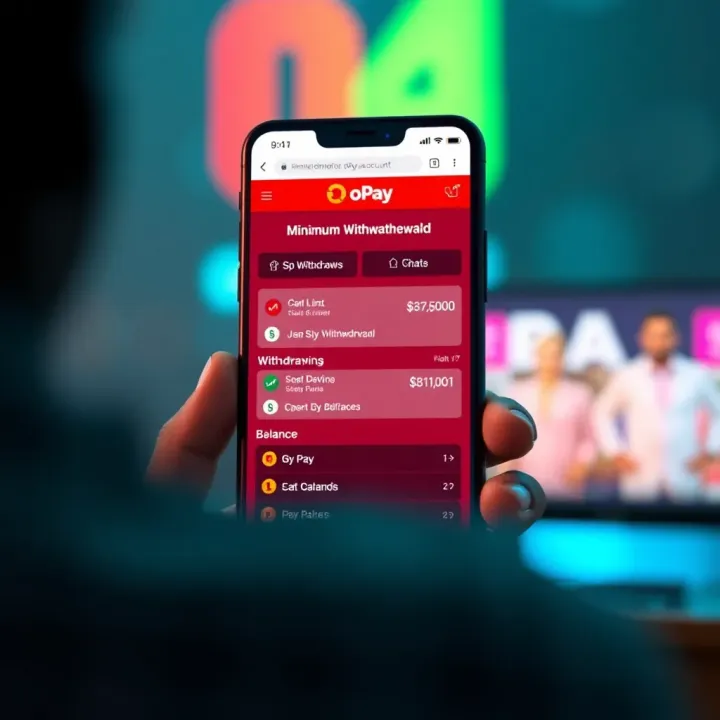
OPay's N1 account offers users a convenient way to handle everyday transactions, but understanding the minimum withdrawal limit is essential to make the most of the platform. This limit refers to the smallest amount you can withdraw from your OPay wallet to your linked bank account or debit card.
Typically, the minimum withdrawal amount on an N1 OPay account is set around ₦1,000. Withdrawing less than this usually won’t go through, as the system enforces this threshold to manage processing costs and operational efficiency. For example, if you have ₦900 in your wallet, the platform will prompt you to either add funds or wait until your balance surpasses the minimum withdrawal limit.
Several factors influence this minimum, including:
Transaction fees: OPay charges a small fee based on the withdrawal amount, which affects the lowest viable withdrawal.
Bank policies: Some banks have their own minimum limits for crediting funds from mobile wallets.
Regulatory guidelines: Central Bank of Nigeria (CBN) policies indirectly affect how mobile money platforms set thresholds to maintain financial stability.
Keep in mind, while the minimum is usually ₦1,000, occasional updates by OPay or banks might adjust this, so it’s wise to check current figures on the app or official communication.
For active bettors and casino players, this knowledge is particularly useful. Knowing your minimum withdrawal limit helps you plan how to cash out winnings without unexpected delays or failed transactions. If you’re routinely playing smaller amounts, it might be better to accumulate your funds before withdrawing.
To manage your funds effectively:
Monitor your wallet balance regularly to stay above the minimum threshold.
Consider small, frequent deposits that match withdrawal limits to avoid locked funds.
Keep an eye on OPay app updates and notifications about changes in withdrawal conditions.
Understanding these basics reduces fuss and ensures your funds move smoothly from OPay to your bank. Handling your money with care means more time focused on the game and less on resolving payment issues.
Knowing the minimum withdrawal amount on your N1 OPay account helps you manage your funds effectively. It prevents failed transactions caused by trying to withdraw less than the allowed minimum, saving you time and frustration. For gamblers and betting professionals, understanding this limit means you can plan your withdrawals to align with your winnings and avoid unnecessary delays.
Take, for example, a situation where you’ve won ₦500 on a betting platform and want to move the money to your bank account via OPay. If the minimum withdrawal limit is ₦1,000, attempting to withdraw ₦500 will be impossible. Being aware of this helps you decide to either wait until you accumulate enough funds to meet the threshold or explore alternatives like transferring to a mobile wallet.
The N1 account on OPay is designed for entry-level users, often those who use the platform for daily transactions or small bets. Unlike more advanced accounts that require full verification, the N1 account has basic KYC (Know Your Customer) requirements, allowing quick and easy setup.
This account type suits tech-savvy youths and casual users who prefer simplicity. However, limited verification means restrictions apply, including lower transaction and withdrawal limits. These limits serve as safeguards against fraud and comply with regulatory standards by the Central Bank of Nigeria (CBN).
As of now, the minimum withdrawal amount for an N1 OPay account is set at ₦1,000 per transaction. This means you can’t withdraw lesser funds, even if your balance is lower. The limit ensures transactions cover network and service fees while keeping operations sustainable.
For users who frequently transact small amounts — such as bettors collecting small winnings — this limit means you have to plan withdrawals carefully. For example, if you repeatedly win small stakes around ₦500, it’s better to accumulate your winnings before withdrawing.
Note: Withdrawal limits can vary slightly depending on the withdrawal channel used, such as bank transfers or mobile money wallets, so check your preferred method's specific requirements.
In summary, understanding the minimum withdrawal amount and the nature of the N1 account is vital for smooth fund management on OPay. This knowledge helps you avoid hiccups and ensures you get your funds when needed without surprise delays or errors.
Understanding how withdrawals operate on OPay is key for users, especially those dealing with online betting, gambling, or any frequent transactions. OPay’s withdrawal system is designed to be straightforward, allowing users to access their funds quickly and securely. Knowing the available withdrawal channels and the process helps you avoid delays and potential errors when cashing out your winnings or transfers.

One popular way to withdraw from an N1 OPay account is via bank transfer. This option means funds move directly from your OPay wallet to your bank account, for example GTBank, First Bank, or Zenith. It’s a convenient method for those who prefer managing money through their regular bank app or ensure seamless savings and payments.
For instance, if you win ₦50,000 from a betting platform linked to your OPay wallet, you can transfer that amount straight to your bank account, ready for use or further investment. However, be mindful that some banks might have additional transaction charges, though OPay typically keeps its fees minimal.
Another channel is withdrawing to mobile money wallets like MTN Mobile Money or Airtel Money. This channel is particularly useful for quick payments and transfers within the telecom ecosystem, or when you do not use traditional banks.
Many Nigerians, especially in rural or hard-to-reach areas, use mobile money wallets for daily transactions. With OPay, transferring your withdrawal amount to such wallets means you can instantly use the money for airtime, bill payments, or even send cash to friends and family directly.
Withdrawing funds from your N1 OPay account is a process you can complete in a few simple steps:
Open Your OPay App – Launch the app and log in securely using your details.
Select ‘Withdraw’ – Navigate to the withdrawal section on the dashboard.
Choose Your Withdrawal Channel – Pick either the bank transfer option or mobile money wallet, depending on your preference.
Enter Withdrawal Amount – Input the exact amount you intend to withdraw. Note that the sum should meet the minimum withdrawal limits set.
Provide Destination Details – For bank transfers, enter your bank name and account number. For mobile money, provide your wallet number.
Confirm the Transaction – Review the details carefully before confirming.
Complete Any Additional Verification – Some transactions might trigger extra verification, like OTP via SMS.
Wait for Confirmation – Usually, funds reflect within minutes, but sometimes it can take up to 24 hours, depending on the channel.
Remember, always double-check your bank or mobile wallet information before confirming to avoid failed withdrawals.
Having this clear, stepwise process ensures smooth handling of your funds, especially important if you operate with tight schedules typical for online gamblers or betting professionals.
This guide should help you navigate the OPay withdrawal system confidently, saving time and guarding against unnecessary awkward hitches in accessing your money.
Several factors determine the minimum withdrawal limit on your N1 OPay account. Understanding these elements helps you manage your funds more efficiently and avoid unexpected delays or failed transactions.
The Central Bank of Nigeria (CBN) sets strict rules to ensure financial stability and protect consumers. These guidelines include limits on transaction sizes to prevent money laundering, fraud, and other illicit activities. For example, CBN might require fintech platforms like OPay to enforce a minimum withdrawal amount to maintain transparency and reduce the cost of processing very small transactions.
One practical impact of this is that users can't withdraw amounts below the set minimum because such transactions could be flagged as suspicious or simply too costly for the platform to process. Imagine a bettor winning small sums repeatedly and trying to withdraw each win below the minimum limit — this scenario can clog the system and increase operational costs.
OPay has its own policies to manage risk and service quality. These internal rules may adjust the minimum withdrawal limit based on your account verification status. A fully verified user with a valid Bank Verification Number (BVN) and identification is often allowed to withdraw higher sums or more frequently.
For instance, unverified users might have to stick to a higher minimum withdrawal to discourage fraudulent behaviour. Conversely, verified users may access lower limits, enjoy faster withdrawals, and lower fees. This tiered approach benefits genuine users who provide proper KYC (Know Your Customer) details and want to move funds flexibly.
Tip: Keep your OPay account updated with all necessary verification documents. This not only helps you navigate limits more easily but also safeguards your account from unauthorized access.
By aligning with CBN regulations and OPay’s internal frameworks, these factors collectively ensure the minimum withdrawal limit serves both security and convenience purposes. If you understand these, you can plan your withdrawals better and avoid getting stuck below the permitted minimum amount.
Many users of the N1 OPay account often have practical concerns about withdrawing funds. This section covers common questions that help clear confusion and prepare you for smooth transactions. Knowing about withdrawal fees, timelines, and how to handle failed withdrawals can save you time and avoid unnecessary frustration, especially when dealing with winnings or daily cash flow.
OPay generally applies minimal fees on withdrawals, but the exact charges depend on the withdrawal channel you choose. For instance, withdrawing directly to your bank account may attract a small fee ranging from ₦50 to ₦100, while transfers to mobile money wallets sometimes come with a slightly higher charge. If you withdraw amounts close to the minimum limit, fees may seem relatively high as a proportion of your withdrawal.
It's worth noting that fee structures can change based on market conditions or regulatory directives. Gamblers and betting professionals, in particular, should keep an eye on these changes since frequent withdrawals mean fees can add up quickly. Planning your withdrawals to larger sums, when possible, helps reduce the impact of fixed fees.
Withdrawal processing times on OPay vary by method. Bank transfers typically credit your account within 1 to 30 minutes, though delays to several hours can happen during peak periods or bank downtime. Mobile money wallet transfers are usually faster, often instant, but network congestion can occasionally cause delays.
For example, withdrawing ₦5,000 after a win in sports betting should reflect in your bank account within an hour on most occasions, but during ember months or public holidays, it could be a bit slower. Despite such variations, OPay strives to keep turnaround times brief to keep users happy and funds accessible.
A failed withdrawal can be frustrating, especially when you urgently need access to your money. If your withdrawal doesn't go through, the first step is to check your internet connection and confirm that your destination account details are accurate.
If everything seems correct, contact OPay customer support either through their app or official channels. Provide transaction details like reference numbers and timestamps. Typically, funds either remain in your OPay wallet or are reversed back automatically within 24 hours.
Meanwhile, avoid initiating repeated withdrawal attempts immediately as this may cause duplication or hold your account temporarily. If delays persist beyond 48 hours, escalate the issue to your bank or mobile money provider, as the problem might lie on their side.
Always keep transaction screenshots and record reference numbers for smoother resolution in case of withdrawal issues.
Addressing these common questions ensures you manage your N1 OPay withdrawals confidently, keeping your funds flowing without unnecessary hiccups.
Managing your N1 OPay account well can save you from headaches when you want to withdraw your money. This involves practical steps that help you avoid delays, failed transactions, or restrictions, especially as you deal with the minimum withdrawal limits. By keeping your account updated and planning withdrawals smartly, you ensure smooth access to your funds.
Verification is key to unlocking full access to funding and withdrawal services on OPay. Without proper verification, users often face lower withdrawal limits or risk transaction failures. For example, if your KYC details are outdated or incomplete, the system might block your attempt to withdraw ₦1,000 or more. Always update your personal information—like your BVN (Bank Verification Number) and phone number—within the app when changes occur.
Besides verification, ensure you regularly review your account settings for any required updates or notifications from OPay. Sometimes, new policies or compliance needs may require re-verification. For instance, during the CBN’s recent policy updates on mobile money wallets, many users had to reconfirm their details to avoid suspension. Staying current prevents surprises in withdrawal processing.
Knowing the minimum withdrawal amount is just the start. Planning your withdrawals around these limits helps you manage your funds better. If you try to take out an amount below the set limit, your withdrawal will automatically fail, wasting time.
Practical tips include:
Accumulating funds: If your balance is less than the minimum withdrawal limit, it’s better to let your funds grow from transactions or deposits before attempting withdrawal.
Scheduling withdrawals: For those involved in betting or gaming where frequent payouts are common, plan withdrawals so that each request meets or surpasses the set minimum, avoiding multiple small transactions.
Monitoring fees: Some withdrawal types attract fees that can eat into small balances. By withdrawing amounts comfortably above the minimum, you reduce the impact of fees and ensure you receive a worthwhile sum.
Remember, thoughtful management of your account prevents common withdrawal errors and delays. Take time to verify your details and plan withdrawals in line with OPay’s limits for a stress-free experience.
By following these tips, Nigerian youths who are tech savvy, gamblers, analysts, or betting professionals can make the most out of their N1 OPay account and steer clear of withdrawal issues. The little effort spent on verification and planning goes a long way in ensuring your money is always within reach when you need it.
Learn how Paystack charges deposit fees for N1 transactions in Nigeria, the impact on small businesses, and ways to reduce costs for micro-payments 💳💡

Stuck with ₦1 deposit delays on Nigerian digital platforms? Discover common causes, how to spot true pending status, and smart steps to fix and avoid future waiting. 💸⌛📱

🎲 Understand responsible gambling risks in Nigeria’s booming betting scene. Learn practical safeguards, government rules, and support for safer play. ₦-wise tips included!

⚽ Learn effective football betting tips for Nigerian punters: master betting basics, analyse local match data, manage bankroll wisely, and spot trusted tip sources to improve wins.
Based on 15 reviews