

Understanding N1 Promotion in Nigeria
Explore how N1 promotion boosts sales and shapes consumer choices in Nigeria 🇳🇬. Learn smart strategies, tackle challenges, and track success for your business growth 📈.
Edited By
Charlotte Hughes
Old N1 shops, often tucked away in busy neighbourhood corners across Nigerian cities and towns, remain a key part of the country’s retail fabric. These shops originally earned their name from the common price point of many items sold at ₦1 or close to it, making them accessible to low-income earners. Though inflation has shifted pricing, the name 'N1 shops' sticks as a cultural marker, hinting at affordability and quick, everyday purchases.
Historically, these shops started as small-scale retail outlets, popular in the 1980s and 1990s before the rise of modern supermarkets. They supplied basic household items like sachet water, matches, soap, noodles, and cheap snacks. Today, they still serve similar roles but have expanded to include more goods like phone credit, batteries, and local herbal remedies relevant to everyday life.
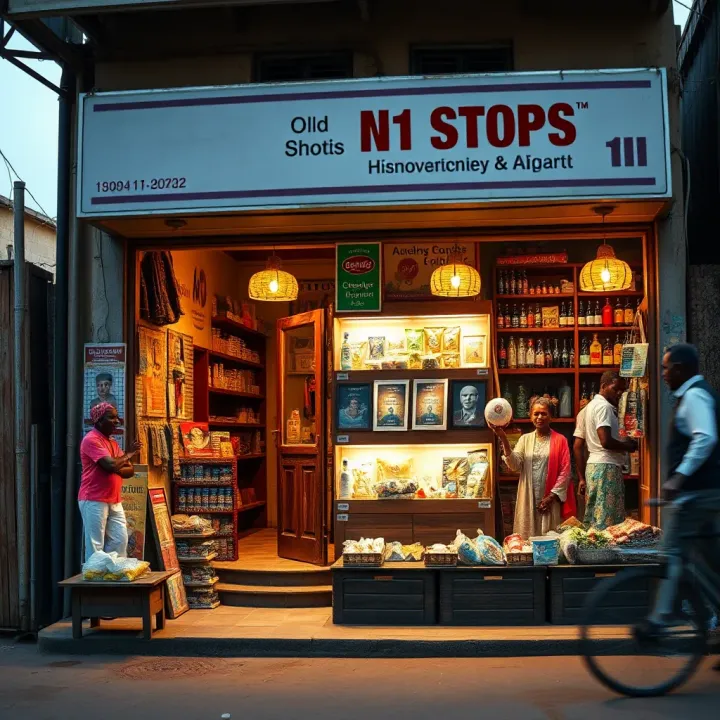
What sets old N1 shops apart is their informal nature. They are mostly family-run or individually owned businesses, often operating without the oversight or regulatory formalities of larger commercial outlets. This keeps overheads low and prices competitive. For many Nigerians, these shops remain the go-to option when needing quick access to essentials without the hassle of bigger stores.
Despite their informal status, N1 shops play an important economic role by providing employment and supporting micro-entrepreneurship, especially in areas where formal jobs are scarce.
From an economic perspective, N1 shops contribute to Nigeria's informal sector, which accounts for over 60% of employment. This makes them vital for economic survival and social stability, especially among the urban poor and residents in peri-urban communities where supermarkets are rare. However, they also face many challenges such as inconsistent supply chains, lack of access to capital, and competition from organised retail chains and online platforms.
For gamblers and betting professionals living in Lagos or Abuja, these shops are often convenient spots to buy recharge cards or airtime needed to place bets on platforms like Bet9ja or Nairabet. They also offer quick access to small everyday goods useful in everyday life, making them useful even during rush hours when time is short.
In summary, old N1 shops, though less flashy than modern stores, continue to fill a practical and cultural gap in Nigerian retail. They provide affordable goods with ease and speed, anchored heavily in local neighbourhood life and economic realities.
Old N1 shops have been a staple in Nigeria’s retail sector, especially within the informal market space. Understanding their origins helps readers grasp why these shops retain a unique relevance despite modern retail trends. This background equips consumers and analysts to better appreciate their roles in local economies and community life.
An old N1 shop typically refers to a small, informal retail outlet where goods are sold at a fixed price point of one naira or very low cost. These shops usually operate from market stalls, roadside kiosks, or tiny corner spaces in busy neighbourhoods. Their defining feature is affordability, serving buyers who prefer quick access to essentials without the higher price tags of supermarkets.
Old N1 shops mainly deal in fast-moving consumer goods (FMCGs) such as matches, soap bars, sachet water, cooking salt, and small snacks like chin chin or groundnuts. They may also stock basic household items like toothpicks, sachet noodles, batteries, or phone SIM cards. These goods meet everyday needs without heavy financial commitment.
The primary customers include low-income households, street workers, and students who rely on convenient, close-by outlets for daily purchases. These shops tend to cluster in bustling markets, near public transit stops — like danfo or keke parks — and within densely populated residential areas where foot traffic is constant.
N1 shops grew out of necessity during periods when formal retail was inaccessible or too costly for many Nigerians. In the late 20th century, rising inflation and urban migration increased demand for low-cost goods close to home. Traders seized this gap by setting up simple stalls selling affordable items, making these shops part of daily life.
The shops have since expanded in variety and reach. While initially focused on basic household items, some now sell low-cost electronics accessories or phone recharge cards. Location-wise, they've moved beyond traditional markets into informal street trading zones, adapting to urban sprawl and consumers’ changing habits.
Economic shifts like naira volatility, fuel price hikes, and inflation often push more consumers towards old N1 shops. These shops act as buffers against economic strain, providing access to affordable goods when supermarket prices spike. Conversely, economic downturns strain shop owners’ sourcing ability, sometimes reducing stock variety.
Old N1 shops represent a resilient node in Nigeria’s complex retail ecosystem, vital for budgets and everyday convenience in an economy where price sensitivity dominates.
This understanding helps both consumers and analysts evaluate the continuing significance of traditional retail amidst evolving market dynamics.
Old N1 shops remain an integral part of Nigeria's informal retail scene, even as modern supermarkets and e-commerce platforms grow. Understanding how these shops operate today is key to appreciating their resilience and continued relevance. Their business models, pricing strategies, and physical presence in bustling markets reveal much about grassroots commerce, especially for everyday consumers seeking affordable and accessible goods.
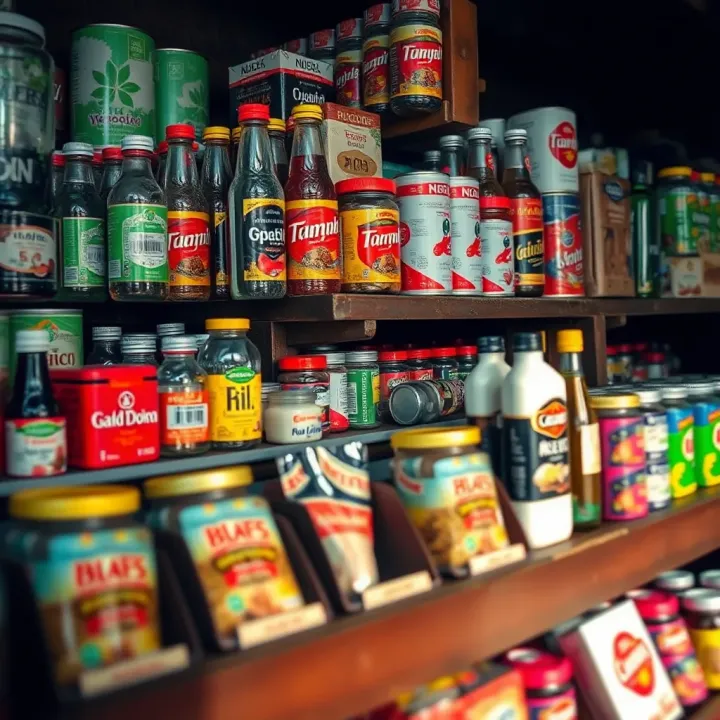
At the heart of old N1 shops is the fixed low-price point approach. Most items are sold at ₦1 or a similarly low uniform price, making it easier for customers to budget and for traders to attract a steady stream of buyers. This simplicity appeals particularly to low-income shoppers who can buy in small quantities without haggling over prices. For example, items like sachet water, small candies, or basic toiletries are commonly priced at these fixed rates.
Stock sourcing plays a vital role in sustaining this pricing model. Traders often source goods from local manufacturers, direct imports, or wholesalers who specialise in bulk sales at discounted rates. Many shops buy tokunbo (imported second-hand or refurbished) goods, especially household items and small electronics, enabling them to maintain affordability while meeting customer needs. The ability to swiftly restock as items sell out keeps their offerings fresh and relevant.
Tokunbo products and local goods shape the inventory mix significantly. Tokunbo items like phone chargers, kitchen utensils, and clothing allow traders to offer a wider variety without drastically raising prices. Conversely, local goods such as soaps, spices, or processed foods cater to familiar tastes and support Nigerian manufacturers. This blend helps N1 shops remain competitive against bigger retail outlets by offering both value and cultural relevance.
Old N1 shops usually thrive in busy marketplaces, street corners, and near transport hubs like danfo stops and okada parks. These locations guarantee a high footfall, ensuring traders consistently attract customers. For instance, you’ll find clusters of these shops in places such as Balogun Market in Lagos or the markets around Ikeja and Kaduna, often set up within kiosks or makeshift stalls.
While formal retail outlets like supermarkets function with fixed operating hours and formal registration, N1 shops operate flexibly, often working longer hours and adjusting locations due to local demand and street trading rules. Their direct interaction with customers, including personalised service and informal credit arrangements, gives them an edge in these communities.
Space use and adherence to local regulations vary widely. Many N1 shops operate in crowded market alleys or pavements, sometimes without official permits, leading to occasional clashes with local authorities or market unions. Traders adapt by relocating swiftly or negotiating with enforcement agents. This informality can expose shops to risks but also allows them to remain nimble and responsive to market pressures.
Old N1 shops balance fixed, affordable pricing with dynamic sourcing and location strategies, making them durable players in Nigeria's retail ecosystem despite challenges from formal sectors.
This operational insight shows why old N1 shops stay relevant. They meet the demands of price-sensitive customers while navigating a complex environment of sourcing, location, and regulation. For analysts and consumers alike, recognising these factors helps understand their sustained popularity in Nigerian urban and rural settings.
Old N1 shops serve as vital income sources for many Nigerians, especially those without formal employment. These traders often invest their savings or borrow small amounts to stock up, selling everyday items at affordable prices. For example, in bustling Lagos markets like Balogun or Oyingbo, shop owners make ₦100 to ₦500 profit per item but rely on high-volume sales to sustain their livelihoods. Their earnings fund household expenses and sometimes help finance children's education or medical bills.
Apart from shop owners, old N1 shops create jobs for assistants, local artisans, and loaders who handle goods on-site. This micro-employment is crucial, especially in urban areas where formal sector jobs remain scarce. Many youths in markets rely on such roles as stepping stones while seeking long-term employment or training. In places like Aba, these shops also engage women who juggle shop management with family duties, contributing to household incomes and community stability.
These shops mainly cater to low-income earners who cannot afford prices in supermarkets or online stores. The fixed low prices allow families to buy items like sugar, seasoning cubes, soaps, or sachet water in small quantities, fitting their daily budgets. In rural communities and slum areas of cities, old N1 shops often act as the primary retail point, preventing these consumers from travelling far or spending extra on transport.
Old N1 shops struggle to meet regulatory requirements or pay taxes due to the informal nature of their business. City authorities sometimes clamp down on them for lacking licences or proper sanitation, causing disruptions. Tax collection agencies find it hard to integrate these traders into the formal tax system, which affects government revenue. For traders, this creates uncertainty and risk of fines or confiscation, limiting their growth potential.
With the rise of supermarket chains like Shoprite and online platforms such as Jumia, many old N1 shops face declining patronage. Middle-class consumers prefer the perceived quality and reliability these outlets offer, while younger buyers are increasingly comfortable shopping online. This competition pushes traditional shops to adapt by extending product ranges or adopting mobile payment methods to stay relevant.
These shops often depend on local markets for supplies or tokunbo goods, exposing them to price fluctuations and stock shortages. For instance, during fuel scarcity or ember months, transportation costs rise sharply, pushing up prices or causing stockouts. The absence of strong suppliers' contracts or bulk-buying power limits their ability to negotiate better prices or delivery reliability, affecting their profit margins and customer satisfaction.
Despite challenges, old N1 shops continue to play a crucial role in Nigeria’s informal economy, supporting livelihoods and making essential goods accessible to many. Understanding their economic impact helps policymakers design inclusive strategies that balance regulation with support for these vibrant community hubs.
Understanding the consumer viewpoint is vital when looking at old N1 shops in Nigeria. These shops often shape everyday buying habits, especially for people who rely on affordable goods without the fuss of large supermarkets or online platforms. Knowing the benefits and potential pitfalls helps buyers make smarter decisions.
Old N1 shops offer an unmatched price point, with many products sold at ₦1 or similarly low prices. For example, basic toiletries like soap, toothpaste, and small packets of snacks are available at prices that fit tight budgets. This arrangement makes daily essentials accessible to low-income earners in urban and rural areas alike. Unlike bigger stores, which may price items higher due to overhead costs, these shops keep prices low, allowing consumers to stretch their naira.
One standout feature of these shops is their location. They usually sprout up in busy markets, street corners, and densely populated neighbourhoods, close to where people live or work. This means nobody has to trek far or navigate traffic for simple purchases. For instance, someone working in Lagos Mainland might drop by an N1 shop near a bus stop to grab a sachet of water or snacks without wasting time. This proximity boosts their importance as quick, last-minute sources for daily needs.
Despite the fixed low price, these shops often carry a surprising range of items. From basic school supplies like pens and exercise books to small household tools such as batteries or ladles, consumers find diverse options at affordable rates. This variety, although limited compared to supermarkets, caters well to immediate needs. It allows shoppers to pick different products without exceeding their budget, especially beneficial during tight financial periods like the ember months.
A major caveat is the uncertainty around product quality. Due to low prices, some items may be counterfeit, expired, or substandard. For example, sachet water or cosmetics from some N1 shops might not meet health standards. Buyers must be cautious and, if possible, check packaging for expiry dates or buy from familiar stalls known for reliable goods.
Unlike formal retail outlets, old N1 shops typically do not offer warranties or returns. If an item, say a pair of earphones or a phone charger, malfunctions, getting a replacement or refund can be challenging. This lack of after-sales service adds risk, especially for electronics or more expensive goods sold at low prices. Buyers should consider this before purchasing items where quality control is critical.
While many of these shops maintain fixed low prices, bargaining sometimes happens, especially for bulk or repeat purchases. However, bargaining skills vary, and not all sellers entertain negotiation, depending partly on community dynamics. Payment methods remain mostly cash-based, though some traders have started accepting mobile money via platforms like OPay or Paystack. Consumers should clarify payment terms upfront to avoid confusion.
Old N1 shops provide practical value and economic accessibility, but shoppers need to balance affordability with caution around quality and service.
In summary, these shops remain a lifeline for many consumers who prioritize cost and convenience. Still, vigilance around product authenticity and awareness of limited buyer protections ensure better shopping experiences in this informal sector.
Old N1 shops have carved a niche in Nigeria's retail scene, but their survival hinges on adapting to changing times. Technology and formalisation efforts offer ways for these shops to grow, build trust, and reach wider markets. This section examines the practical steps and challenges in that transformation.
Adoption of USSD and mobile wallets has become a game-changer for many old N1 shop operators. Since most traders and customers lack access to traditional bank accounts, USSD codes provide a quick way to send and receive payments without internet access. For example, a trader in a busy Lagos market can accept payments via GTBank’s or Access Bank’s USSD codes, simplifying transactions and reducing the risk of carrying cash. Mobile wallets like PalmPay and Kuda further ease payments, making daily business faster and safer.
The integration with platforms like Paystack and OPay offers newer channels for old N1 shops to tap into Nigeria’s digital economy. Paystack, known for enabling online payments, can help these shops offer customers payment options beyond cash, including card payments and bank transfers. Meanwhile, OPay provides a wider fintech ecosystem, from mobile money wallets to QR code payments, that some savvy traders use to compete with modern retailers. While adoption is still slow in some areas due to digital literacy challenges, those embracing these platforms are already noticing smoother cash flow and increased customer confidence.
There are clear pathways to official recognition for old N1 shops that want to join Nigeria’s formal economy. Registration with bodies like the Corporate Affairs Commission (CAC) or local trade associations can open doors to government support, access to loans, and participation in trade fairs. Recognised businesses also find it easier to open bank accounts or partner with fintech firms, enhancing stability and growth prospects. This step, though often overlooked, is attainable with a little effort and can shield traders from harassment by authorities.
Training and capacity building for traders is crucial for upgrading business skills and market knowledge. Workshops organised by NGOs and market unions sometimes cover inventory management, bookkeeping, and customer service tailored to small-scale traders. For instance, traders trained on using mobile payment apps and social media marketing have expanded their reach beyond the immediate locality. These initiatives empower operators to run their shops more professionally and prepare them for greater competition.
Possible partnerships with larger retailers present strategic opportunities for old N1 shops. By collaborating with supermarket chains or wholesalers, small traders can improve their supply chains, access better quality goods, and even negotiate bulk discounts. Some bigger retailers have pilot projects to integrate informal sellers into their distribution networks, providing mutual benefits. For example, an old N1 shop in Kaduna teaming up with a wholesaler can reduce costs while increasing the variety of products available to customers, which attracts more patronage.
For old N1 shops to remain relevant, embracing fintech and formal business structures is no longer optional but necessary to thrive in Nigeria’s evolving retail space.
Through these adaptations, old N1 shops can not only survive but also scale in a way that supports traders’ livelihoods and consumers' needs across Nigeria.
Explore how N1 promotion boosts sales and shapes consumer choices in Nigeria 🇳🇬. Learn smart strategies, tackle challenges, and track success for your business growth 📈.
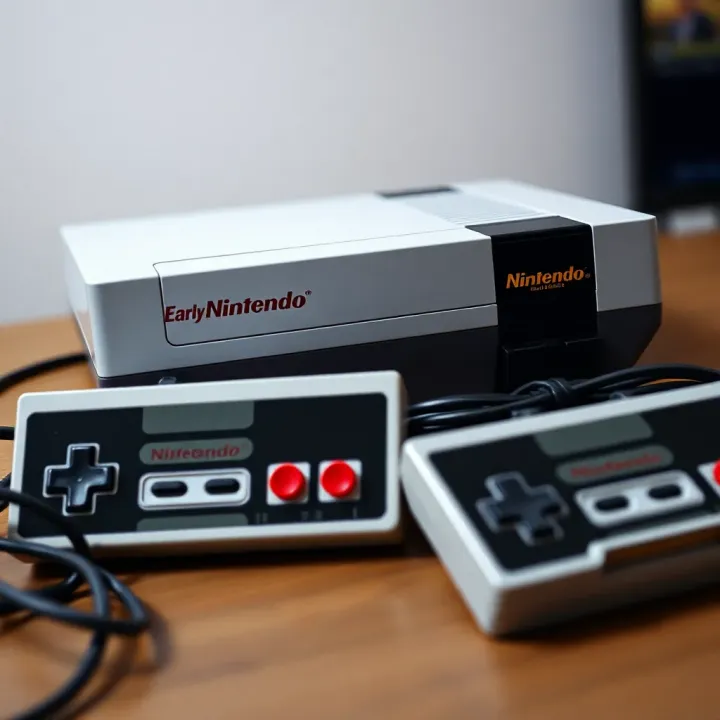
Explore the old Nintendo 1 – its design, technical details, and influence on Nigeria’s gaming scene 🎮. A must-read for collectors and fans of vintage gaming!

📱 Get the facts on the Old Mobile N1 Lite—affordable, sturdy, and common for calls and texts around Lagos danfo or mama put. Learn if it fits your ₦5k budget and daily needs.

🎯 Learn how to register on N1 Sports, Nigeria’s trusted online betting site! Get step-by-step help, verify your account, explore payment methods, and stay secure while betting safely.
Based on 12 reviews