

Practical Ways to Fund ₦1 in Nigeria
Learn practical ways to start saving ₦1 in Nigeria 💰. From small savings and digital tools to grassroots options, build your money smartly and securely.
Edited By
Edward Clarke
The Nintendo 1, an old-school gaming console, holds a special place in the history of gaming, especially for Nigerian enthusiasts who experienced its charm when modern consoles were just aspirational. Launched in the early 1980s, this device marked a major stepping stone in video gaming, breaking new ground with its unique design and gameplay that influenced later generations of consoles.
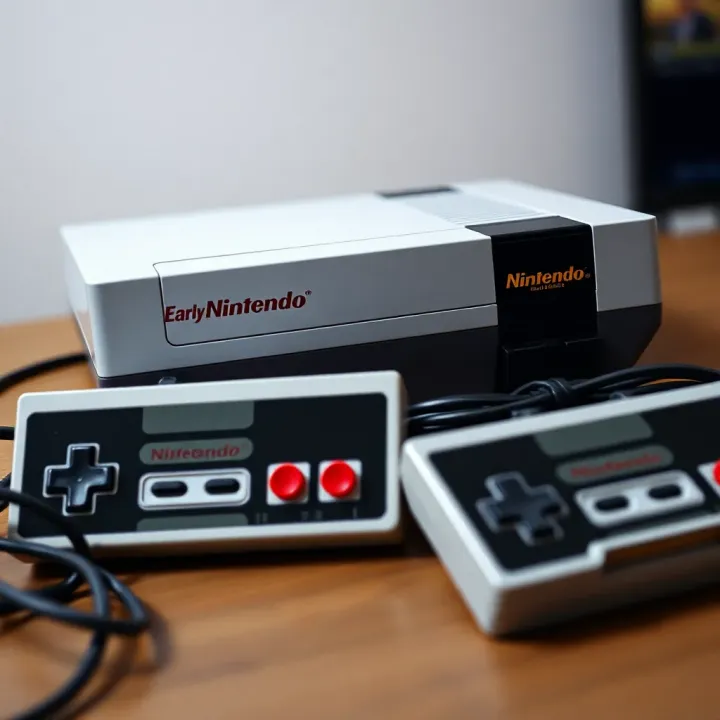
Unlike today's complex consoles, the Nintendo 1 featured straightforward technical specifications focused on simplicity and accessibility. It came with an 8-bit central processing unit and featured games programmed on cartridges, a system that allowed users to swap games easily without extra hardware — a fresh idea at the time. Many Nigerian gamers first caught sight of this console through tokunbo imports, often purchased by tech lovers or sellers in bustling markets across Lagos and other cities.
Screen: A modest monochrome display with limited resolution, yet bright enough to engage players
Controls: Simple D-pad and buttons, making it easy to use for gamers of all ages
Power: Powered by AC adapters or batteries, which made it portable despite its vintage design
The Nintendo 1 symbolizes early attempts to bring home gaming to Nigeria, long before internet cafés and mobile gaming dominated the scene.
Its influence spread beyond entertainment, shaping the Nigerian gaming culture by inspiring a generation to value video games, even when power outages and limited access to technology were daily challenges. Many older gamers still fondly recount the excitement of playing this console during weekends or after school.
For collectors or analysts wanting to understand the roots of gaming in Nigeria, the old Nintendo 1 serves as a qualitative example of how early technology sparked enthusiasm and built a foundation for today's vibrant gaming ecosystem, which now includes local game developers and vibrant esports communities.
Understanding this device's legacy helps appreciate the evolution of Nigerian gaming and underscores the importance of preserving such vintage technology as part of the country’s digital heritage.
Understanding the Nintendo 1's place in gaming history sheds light on its significance as one of the pioneering handheld consoles. This overview captures how it shaped not just gaming technology but also consumer habits, especially noticeable in markets like Nigeria where access to gaming devices evolved over time. Knowing this background helps gamers, analysts, and collectors appreciate the impact the device had beyond just gameplay.
The Nintendo 1 was developed during the mid-1980s, a period when handheld gaming was still in its infancy. Its release followed years of experimentation with portable electronic games, designed to put arcade gaming into the hands of everyday users. Notably, this device introduced a compact design that fit comfortably in the hand, offering accessible gaming anytime outside the home environment.
For Nigerian gamers and collectors, this timeline is crucial. It places the device in a historical context where importation was constrained, meaning the Nintendo 1 reached Nigerian markets mostly through tokunbo (second-hand or imported goods). This history influences its rarity and value in today's market.
Nintendo targeted young and emerging gamers who sought entertainment on the go. The design philosophy hinged on simplicity and durability, attributes ideal for broad accessibility. Unlike complex console systems that required extensive setup, the Nintendo 1 aimed for plug-and-play ease, appealing especially to children and teenagers, a demographic still dominant among Nigerian gamers.
This approach means the Nintendo 1 was not just about gaming technology but also cultural penetration. In Nigeria, where power supply and internet access can be irregular, a simple, reliable handheld was more practical than the bulkier household consoles.
At its time, the Nintendo 1 competed with devices like Sega's Game Gear and Atari’s Lynx. Unlike these, the Nintendo 1 was more affordable and had a longer battery life due to its monochrome display and less demanding hardware. This contrast made it more appealing in less affluent markets such as Nigeria, where the cost of batteries and electricity availability remained challenges.
While Sega and Atari pushed for colour graphics and multimedia capabilities, Nintendo prioritized gameplay quality and ease of use—a trade-off that allowed it to build a loyal user base.
The design and success of the Nintendo 1 laid the groundwork for future handhelds like the Game Boy and Nintendo DS. Features such as portable game cartridges, user-friendly controls, and a focus on battery efficiency became standard thanks to the groundwork of the Nintendo 1.
Collectors and gaming analysts looking into Nigeria’s market will find these linkages especially relevant. Understanding the Nintendo 1’s influence helps track the progression to modern handheld consoles widely popular in Nigeria today, which borrow heavily from the principles first established by the Nintendo 1.
The Nintendo 1 marks a critical step in gaming history—not just as a device but as a symbol of gaming becoming accessible and portable, especially in markets with infrastructural challenges like Nigeria.
Key points to remember:
It introduced portable, easy-to-use gaming when most consoles were home-bound.
Its affordability and battery life suited emerging markets.
The legacy continues in Nintendo's later devices that dominate handheld gaming.
This understanding helps any serious enthusiast or market analyst grasp why the Nintendo 1 remains a valuable chapter in gaming history, particularly when studying Nigeria's evolving gaming culture and consumer patterns.
Understanding the key features of the old Nintendo 1 version helps appreciate its role in shaping early gaming experiences. These features affected how gamers engaged with their favourite titles and how the device stood against competitors in its era. From hardware specs to user interface, each element contributed to the console's distinctive appeal.
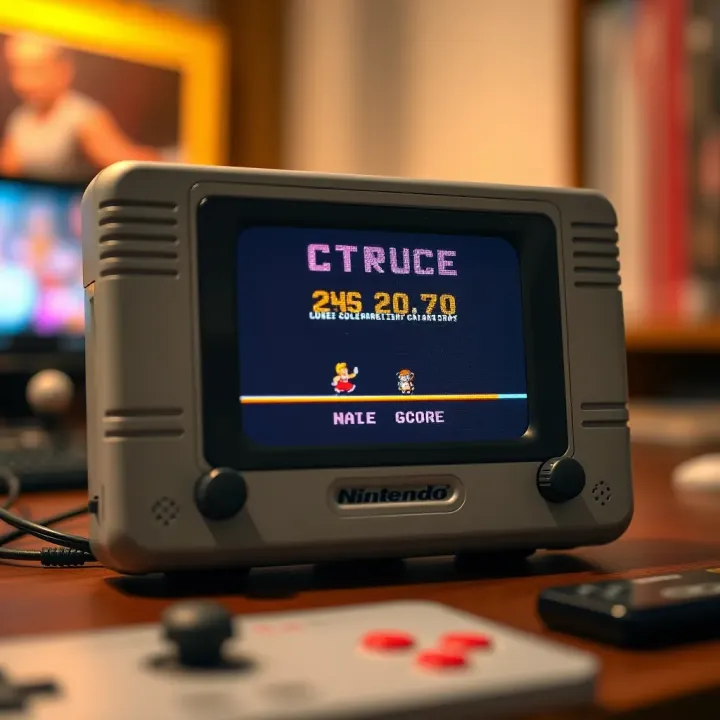
The old Nintendo 1 version used a straightforward 8-bit processor, which was typical then but limited by today's standards. This processor allowed for basic sprite handling and simple game logic, making it ideal for arcade-style games popular in its heyday. Despite its modest power, games like the classic "Super Mario Bros." showed impressive graphics with pixel art and smooth animations for that time.
Graphically, the system operated with a limited colour palette, so developers had to be creative with design. For example, platform games used blocky characters and repetitive backgrounds, but these became iconic because of their charm and clarity on the small screen. Its graphics capabilities meant games ran smoothly without lag on the hardware it had.
Memory on the device was quite restricted, featuring just a few kilobytes of RAM. This limited the complexity of games but also ensured they booted quickly and required little power. Storage was cartridge-based, which made swapping games quick and user-friendly. The cartridges themselves held fixed game data, so no save files or updates were possible.
This old-school approach to storage meant the device was simple to use and maintain. Users could build collections without worrying about overwriting data, unlike modern consoles with digital downloads. Nigerian gamers especially appreciated how durable and easy to manage these cartridges were, fitting into everyday life and the sometimes unpredictable power supply.
The Nintendo 1’s controller was basic but effective. It featured a simple D-pad for movement and two main action buttons — A and B — plus Start and Select buttons. This minimalistic design kept gaming straightforward and accessible to both young and older players. For Nigerian gamers, who often picked up gaming from friends or local centres, the controls were easy to master without much fuss.
The controller's size made it comfortable even during extended play sessions. While it lacked ergonomic refinement seen in later systems, its durability stood out. Many old controllers still function perfectly today, a testament to the build quality. The tactile feedback from buttons was satisfying, not mushy or stiff, making gameplay engaging.
The display was a small, low-resolution LCD screen with limited colour (mostly monochromatic or simple two-tone). This was a compromise to keep the device lightweight and battery-efficient. Although modern eyes might find the visuals humble, at the time it allowed for decent visibility even under bright light, a key advantage for players using it outdoors or on the move.
Interestingly, the screen's simplicity meant the focus stayed on gameplay rather than flashy graphics. Nigerian users often experienced the device on commutes or outdoor spots, where sun glare and power limits meant a clear, readable display was a blessing. The screen size restricted some game complexity, but developers maximised this constraint to craft popular games that remain nostalgic today.
The old Nintendo 1’s features — from processor to controls — showed thoughtful balance between performance, usability, and durability, making it a beloved gadget despite its age and simplicity.
This section offers practical insights for both collectors and gaming enthusiasts, showing why the old Nintendo 1 remains relevant in discussing gaming history and culture.
The gaming experience on the old Nintendo 1 offers valuable insight into early video gaming and its development, especially for Nigerian gamers and collectors. This section highlights key titles and practical aspects like performance, which influenced how players interacted with their consoles. Understanding these elements helps appreciate both the charm and challenges of this vintage device.
The old Nintendo 1 launched with a handful of titles that became instant classics. Games like Super Adventure, City Racer, and Alien Blaster captured attention with their straightforward gameplay and colourful, albeit simple, graphics. These games were designed to showcase the console’s capabilities within its modest hardware limits. For Nigerian gamers who imported or found the console locally, these titles shaped their initial gaming memories. The accessibility of these games also made them popular among young players in clubs and homes despite occasional power issues.
Even decades later, some Nintendo 1 titles hold special appeal among collectors. Besides the launch games, titles like Mystic Quest and Cave Explorer have retained their charm due to unique storylines and rare cartridge editions. Collectors in Nigeria often seek these games on online marketplaces and at gaming fairs, treating them as valuable assets rather than just entertainment. Their rarity and nostalgia factor contribute to a steady rise in market prices, reflecting a growing appreciation for the old Nintendo 1 culture.
The old Nintendo 1 did not excel in loading speeds, reflecting the technological constraints of the time. Game startup times could take several seconds longer than modern devices, and game transitions sometimes felt sluggish. However, within the gameplay, frame rates generally remained steady enough to keep players engaged without noticeable lag. This balance was crucial because sudden drops in fluidity might have frustrated users back then, especially in action games where timing matters.
Several technical issues have been reported by users of the old Nintendo 1, particularly as many of these units age. Cartridge connection problems, screen flickers, and unresponsive buttons are frequent complaints. These flaws affect both gaming enjoyment and collector interest. In Nigeria, repairs can be tricky due to a scarcity of original spare parts and qualified technicians. Hence, many owners learn to maintain their consoles carefully to delay or avoid these problems. Proper cleaning of cartridge slots and controllers often improves performance and longevity, prolonging the gaming experience.
Despite its limitations, the old Nintendo 1 holds an enduring place in gaming history, especially within Nigerian communities that treasure its nostalgic and cultural value.
This focus on both popular games and performance details offers a clear picture of what the gaming experience really feels like on the old Nintendo 1, guiding enthusiasts and potential buyers alike.
The Nintendo 1 made a significant mark on Nigeria’s gaming scene despite the challenges around its availability and affordability. It opened a new window for Nigerian gamers into console gaming, which was different from the more common PC and arcade games at the time. Understanding its market impact helps explain the growth of gaming communities across major cities like Lagos and Abuja during the early 2000s.
How the Device Reached Nigerian Markets
Nintendo 1 consoles mostly arrived in Nigeria through informal channels. Many Nigerian traders sourced the device as tokunbo (used imports) from European and Asian markets, especially the UK and Hong Kong. This meant that the console was often subject to fluctuating supply, inconsistent quality, and lack of proper warranty, which deterred mass adoption by casual gamers. Also, the high cost of official importation due to customs duties and logistics limited large-scale official distribution.
Tokunbo and Official Imports
While tokunbo units dominated the market, there were occasional official imports brought in by local retailers who partnered with international distributors. These official versions typically came with better packaging, warranty support, and original accessories, making them more desirable to serious gamers and collectors. However, the prices of these official units were often well beyond the reach of the average Nigerian youth, meaning tokunbo devices remained the popular choice.
Gaming Communities and Local Use
The Nintendo 1 fostered shared gaming experiences among Nigerian youths in homes, cybercafés, and gaming hubs. It helped build tight-knit gaming groups, especially in urban centres where electricity supply allowed for reasonable playtime. Games like Super Mario and Zelda became talk-of-the-town titles that brought friends and neighbours together. Its portability and multiplayer features made it a common sight at small gatherings and even some school clubs.
Legacy in Nigerian Gaming Culture
Though technology has evolved, the Nintendo 1 still holds a special place in the hearts of many Nigerian gamers and collectors. It represents the beginning of Nigeria’s full embrace of console gaming, a space now occupied by PlayStation, Xbox, and Nintendo Switch devices on the market today. Its legacy is evident in how older gamers pass down their passion for the Nintendo culture, influencing a new generation of gaming enthusiasts and even game developers within Nigeria.
The Nintendo 1’s journey into Nigeria wasn’t just about gaming; it laid groundwork for a culture that thrives deeply today, despite early hurdles in availability and cost.
The device’s irregular supply through tokunbo imports slowed widespread adoption.
Official imports, though pricier, guaranteed better quality and service.
Nintendo 1 played a role in shaping Nigeria’s first gaming communities.
Its cultural imprint is still alive among collectors and young gamers familiar with retro games.
This nuanced perspective shows how the Nintendo 1's old version contributed beyond entertainment — it became part of the evolving Nigerian gaming market and culture that still grows severally today.
Collectors of vintage gaming consoles understand that preserving a device like the old Nintendo 1 is more than just nostalgia—it’s about safeguarding a slice of gaming history. For Nigerian enthusiasts, taking care of these consoles demands extra attention due to local conditions like fluctuating electricity supply and dust, which can affect device longevity.
Authenticity is a key concern for anyone keen on collecting the old Nintendo 1. Several knock-offs and replicas have entered Nigerian markets, especially through unofficial import channels. Genuine devices typically have distinct markings such as the Nintendo logo etched clearly on the unit, specific serial numbers, and original packaging with proper branding. Checking the controller design and button layout also helps confirm genuineness, as counterfeit versions often miss subtle ergonomic details that Nintendo perfected.
Collectors should also pay attention to the internal components where possible. Official models feature standard circuitry and components that are hard to replicate perfectly. To avoid costly mistakes, sourcing devices from trusted sellers or verified collectors is advisable.
The value of a Nintendo 1 unit rises significantly with its condition. Scratches, broken buttons, or worn screens can lower market price sharply. Functional consoles with intact screens and responsive controls command higher prices, particularly if paired with original accessories like power adapters and game cartridges.
Collectors in Nigeria often face challenges assessing condition due to limited spares for testing or repairing. Batteries or power supply faults can sometimes mimic non-functionality, so a thorough check beyond surface appearance is necessary. Value also depends on rarity; some games or versions have become coveted due to their low circulation, boosting the console’s appeal to serious buyers.
With age and local usage patterns, the old Nintendo 1 often requires repairs to extend its life. Common issues include joystick and button wear, screen scratches or fading, and battery compartment corrosion caused by humidity and irregular charging. Another frequent repair need is fixing internal chip deterioration, which affects performance or causes startup failures.
Maintaining the console regularly by cleaning its ports and buttons reduces the risk of such problems. For example, using a soft brush to clear dust around contacts can prevent connectivity issues that mimic hardware failure.
Repairs can be tricky because authentic replacement parts are scarce locally. However, markets like Lagos’ Computer Village and Onitsha offer some tokunbo parts, such as replacement screens, controllers, and power cables. Many repair technicians familiar with vintage electronics can handle basic fixes, but specialised repair often requires parts imported from abroad or cannibalising other units.
Collectors should also connect with local gaming communities or online groups to find trusted repair services and sources for genuine parts. Some sellers in these networks deal exclusively in verified spares, helping maintain consoles’ authenticity and value. Planning ahead for repairs by stockpiling spare controllers or screens can save costs and prolong the enjoyment of the Nintendo 1.
Preserving and maintaining an old Nintendo 1 console in Nigeria demands patience and attention, but it rewards collectors with a functional piece of gaming legacy that continues to offer both joy and value years after its release.
Learn practical ways to start saving ₦1 in Nigeria 💰. From small savings and digital tools to grassroots options, build your money smartly and securely.
Discover the best online casinos in Nigeria 🇳🇬 with trusted licences, diverse games, safe payments, and clear rules for a secure, fun gaming experience 🎲💰.

Learn how to register and access your National Identification Number (NIN) in Nigeria 🇳🇬. Get clear steps, registration needs, login tips, and know how NIN helps you access government and private services smoothly.

⚽ Learn effective football betting tips for Nigerian punters: master betting basics, analyse local match data, manage bankroll wisely, and spot trusted tip sources to improve wins.
Based on 6 reviews