

Tips for Winning with N1 Betting in Nigeria
🎯 Learn smart N1 betting tips to increase your chances in Nigeria! Manage bankroll, avoid common slip-ups, and make better sports bets for safer winnings.
Edited By
Thomas Wright
The N1 sugar rush refers to a sudden spike in blood sugar levels, often triggered by consuming foods or drinks rich in simple sugars. In Nigeria, local treats like sugar-laden moin-moin, puff-puff coated in syrup, or popular sugary drinks such as malt and fruit juices can cause these quick energy surges. While they give a temporary boost, this spike often leads to a sharp drop in energy later, leaving you feeling drained or irritable.
This rapid fluctuation is linked to how our bodies process glucose. After consuming sugary foods, blood sugar levels rise swiftly, prompting the pancreas to release insulin. Insulin helps cells absorb sugar for energy or storage. However, if blood sugar spikes repeatedly or too high, the body may respond by producing excess insulin. This can cause blood sugar to plunge below normal, triggering the classic 'crash' associated with sugar rush.
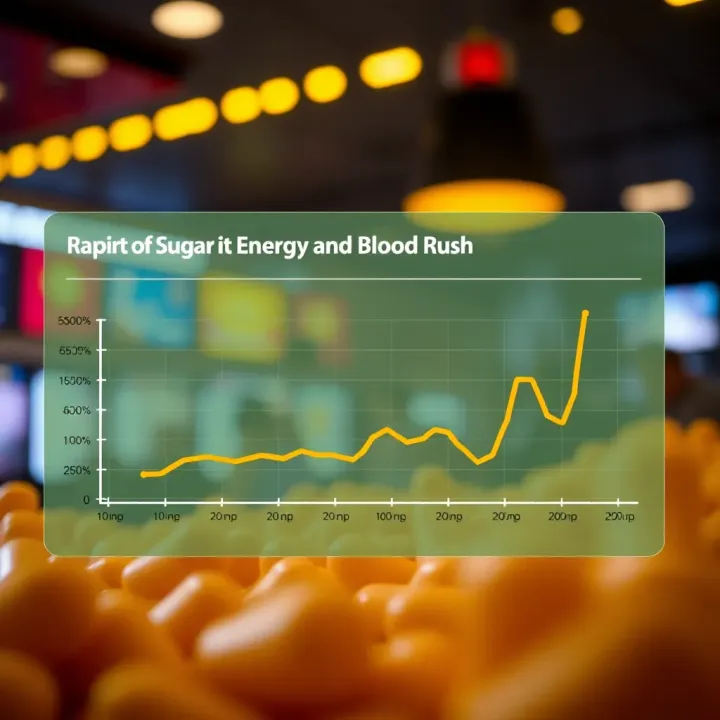
A sugar rush might give you quick energy, but the resulting crash can disrupt your focus, mood, and physical performance.
For gamblers and analysts who rely on clear thinking and steady energy during long sessions, understanding and managing these sugar fluctuations is vital. Rapid sugar highs and lows affect concentration and decision-making—qualities critical in betting or analysing odds.
Here are some examples of common sources causing N1 sugar rush in the Nigerian context:
Sugary Snacks: Puff-puff dipped in glucose syrup or locally sweetened chin chin
Sweetened Drinks: Maltina, Peak milk with added sugar, or sachet fruit juices
Street Foods: Suya with spicy sugary dips or akara balls served with sugar
Recognising sugar rush symptoms helps you act timely. Common signs include a burst of energy, shaking hands, sudden sweating, followed by tiredness or headache. Staying alert to these tells can guide smarter food choices.
Managing the sugar rush starts with selecting healthier alternatives and pacing your intake. For example, swapping sugary snacks for nuts or fruit, drinking water alongside sweetened beverages, or choosing low-sugar options from mama puts helps keep blood sugar stable.
In brief, the N1 sugar rush impacts both physical energy and mental sharpness. For those who engage in activities demanding consistent alertness like betting or data analysis, balancing sugar intake is not just about health—it’s about staying sharp and winning.
Understanding what the N1 sugar rush is, and why it happens, helps you get a grip on how your body reacts to quick sugar spikes common in many Nigerian foods and drinks. This knowledge is especially useful for gamblers, analysts, and tech-savvy youths who need consistent energy and mental alertness. Knowing the causes behind sugar rushes means you can avoid sudden energy crashes that mess up your focus and performance during intense gaming sessions or analytical work.
A sugar rush happens when your blood glucose level shoots up very quickly after consuming sugar-rich foods or drinks. This sharp rise floods your bloodstream with glucose, which your body uses as a quick energy source. Imagine eating a sweet suya marinade or downing a sachet juice packed with added sugars — your blood sugar can jump suddenly.
This rapid blood glucose increase triggers energy boosts but also stresses your body’s regulatory system. For instance, after the initial surge, you might feel jittery or unusually hyperactive, followed shortly by tiredness as your system struggles to balance things out.
Many typical Nigerian foods cause these sugar rushes without you realising it. Sweetened soft drinks, like malt or cola, as well as street snacks like chin chin sprinkled with sugar, contribute to rapid glucose spikes. Even common local staples, when served with sugary sauces or sweetened beverages, add up quickly.
Processed snacks from markets or roadside mama puts often contain refined sugars that enter the bloodstream swiftly. Without much fibre or fat to slow absorption, these sugars cause your blood glucose to climb fast — setting the stage for that dreaded crash.
Insulin is the hormone responsible for keeping your blood sugar level steady. When sugar floods your bloodstream, the pancreas releases insulin to help cells absorb the glucose and convert it into energy or store it. In simple terms, insulin acts like a key, unlocking cells so glucose can enter and power your body.
Efficient insulin response ensures your energy stays balanced, which is essential for all-day mental sharpness and physical stamina — key factors for anyone engaged in betting or gaming. However, if sugar intake is too sudden or excessive, insulin has to work overtime, which can strain the system.
Sudden spikes often come from eating foods that digest quickly with high glycaemic index (GI) values. Foods like white bread, sugary pastries, or sachet drinks have little fibre and break down rapidly to glucose. In Nigeria, it’s common to find such triggers mixed into daily diets without people realising their effect.
These spikes are worsened if you consume sugar on an empty stomach or skip meals, because your body is more sensitive to sugar absorption then. In these moments, insulin surges to manage the elevated glucose, eventually leading to a drop (the crash) that can leave you feeling drained.
Managing sugar rushes starts with understanding how quickly sugar enters and leaves your bloodstream, and how your body responds. This insight is the first step towards smarter food choices that sustain energy for longer periods—vital for keeping steady focus and performance.
By recognising these facets of the N1 sugar rush, you can take charge of your diet, avoid energy swings, and maintain steady health and alertness through your busiest days.
Understanding which Nigerian foods and drinks trigger sugar rushes helps you manage sudden energy spikes and crashes. For those in fast-paced environments, such as tech or betting, sudden sugar highs might seem like a quick energy fix but often come with a steep cost to focus and performance.
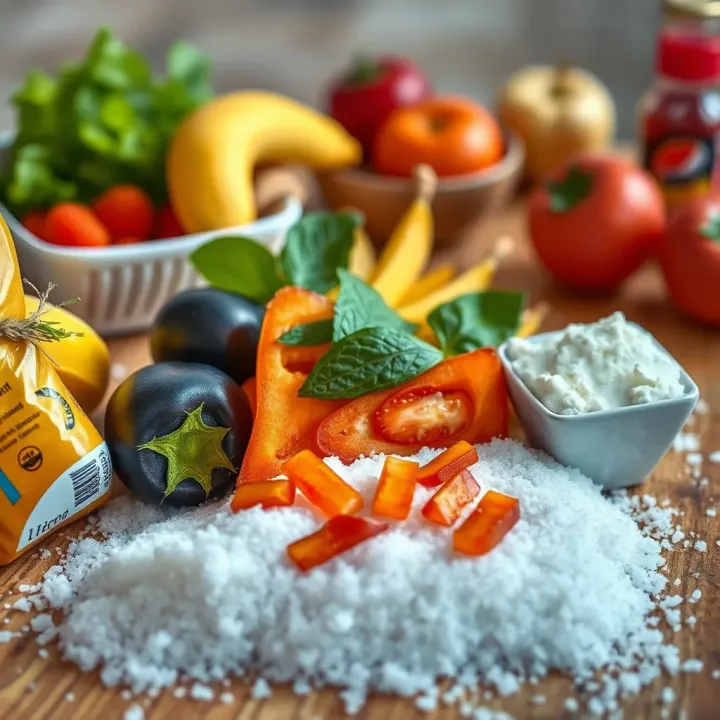
Sugary snacks like chin chin, puff-puff, and doughnuts are popular street foods that contain refined sugar causing quick blood glucose spikes. They’re usually deep-fried, packed with simple sugars, and eaten in large portions at owambe or street gatherings. These snacks provide a fast energy rush but often result in an energy crash soon after. Regular consumption can affect mental sharpness, especially when decisive thinking is needed, such as in gaming or analysis.
Sachet drinks—flavoured powdered sachets mixed with water—and popular soft drinks like Coca-Cola and Pepsi are widely consumed across Nigeria. These drinks contain high sugar levels with little to no fibre to slow absorption, leading to immediate blood sugar surges. The hydration illusion from these drinks often misleads people, while the high sugar content contributes to erratic energy levels, impairing concentration and alertness critical for strategic activities.
Several local delicacies, including moin-moin and akara, sometimes have added sugar in marinades or sauces, which often goes unnoticed. Vendors occasionally add sugar or sweeteners to enhance taste without flagging it as a component. This hidden sugar can cause unexpected sugar rushes, disrupting steady energy flow throughout the day. These are especially risky for those managing diabetes or insulin sensitivity.
Processed foods such as bread, biscuits, and instant noodles include refined sugar or starch that breaks down quickly into glucose. This rapid digestion causes sharp blood sugar peaks but lacks the nutrients and fibre to balance the effect. In Nigerian markets, many packaged snacks and goods imported as tokunbo contain these sugars, reinforcing the sugar rush pattern without substantial nutritional benefit.
Natural sugars in fruits like bananas, pineapples, and mangoes come with fibre, vitamins, and antioxidants. These nutrients slow sugar absorption, preventing sharp spikes. While fruits contain fructose, the body's slower assimilation helps maintain better blood sugar stability. Enjoying seasonal fruits as snacks offers a healthier way to satisfy sweet cravings, reducing the risk of sudden energy ups and downs.
Keep in mind, the source of sugar matters as much as quantity. Choosing natural over processed sugars smoothens energy release and sharpens mental function, especially when the day demands precision.
By understanding these common causes of sugar rushes in Nigerian diets, you can make smarter choices that keep your energy steady and your mind sharp, relevant whether you are analysing data or just going about your daily hustle.
Understanding the effects of a sugar rush is vital for anyone who relies on steady energy throughout the day, especially if you’re in fields like gambling or tech analysis where focus is key. Sudden spikes in blood sugar do not just give temporary boosts; they influence how well you perform and how healthy you stay over time. Knowing these effects helps you manage your sugar intake better and avoid energy dips that can cloud your judgement or reduce your alertness.
When you consume sugary foods or drinks, your blood sugar rises quickly, giving you an instant burst of energy. This quick spike is why many people feel more alert and confident just after sweet snacks or drinks. For example, a slice of chin chin or a sachet of fruit juice might deliver this sudden lift, which can be handy if you need a quick mental boost during a long session at the betting centre.
However, this energy rush can also bring mood swings. Some may feel overly excited or jittery, while others might experience anxiety or restlessness. These mood fluctuations can affect decision-making, which is critical in activities requiring sharp focus like analysing betting odds or tech trends.
The problem with sugar rushes is that after the initial buzz, blood sugar often drops sharply, resulting in what’s commonly known as the sugar crash. This crash leaves you feeling drained, sluggish, and irritable. For instance, after the temporary uplift from eating puff-puff or drinking a fizzy soda, you might notice your concentration falters or fatigue sets in, making it harder to concentrate on your next move or grasp complex data.
This crash impacts daily performance by causing inconsistent energy levels. A gambler or tech enthusiast who experiences multiple sugar crashes could see dips in productivity and increased errors, undermining overall performance.
Repeated sugar rushes put stress on your body's insulin system. Insulin helps regulate blood sugar, but constant spikes may lead to insulin resistance — a condition where cells stop responding effectively to insulin. Over time, this can develop into type 2 diabetes, a growing health issue across Nigerian urban centres, especially where soft drinks and sweet snacks are highly consumed.
For people working in demanding sectors like financial analysis or gaming, diabetes not only affects health but may also reduce stamina and cognitive function, affecting professional output and quality of life.
Frequent sugar surges contribute to fat accumulation, especially around the belly, raising the risk of obesity and other metabolic conditions. Excess sugar transforms into fat if not used immediately, and over time, this strains your metabolism.
Metabolic health problems can lead to low energy, poor focus, and increased risk of heart diseases. This is a significant consideration for anyone seeking sustained mental and physical sharpness during strenuous activities like competitive betting or lengthy tech projects.
Managing sugar intake isn’t just about avoiding weight gain; it’s about maintaining steady energy and lasting health, especially in high-pressure environments common for many Nigerian youths today.
Ultimately, recognising these effects helps you make better choices, opting for steady energy sources rather than quick sugar spikes that backfire. This understanding supports long-term wellbeing and consistent daily performance.
Understanding how to spot and handle sugar rushes is essential for maintaining steady energy levels, especially under stressful or high-stakes situations like betting or intense data analysis. Sudden spikes and crashes in blood sugar can cloud judgment, affect mood, and reduce focus—traits crucial for gamblers and tech-savvy youths who rely on sharp mental performance.
A sugar rush usually presents as a quick surge of energy. You might feel unusually alert, jittery, or even euphoric. Your heart rate can speed up, and you may experience a burst of excitement or restlessness. For example, after gulping down a sachet drink or enjoying a sweet puff puff from a street vendor, you might suddenly feel more awake and ready to make quick decisions.
This burst can be deceptive; it often tricks people into thinking they’re more productive than usual. However, the energy is short-lived and depends heavily on quick sugar intake rather than balanced nutrition.
Soon after the buzz, the body often reacts with a crash—feelings of fatigue, irritability, or even sudden hunger. This happens because the pancreas releases insulin to lower the high blood glucose, which can overshoot and make blood sugar fall too low.
In daily tasks or betting sessions, this crash might lead to poor concentration, mood swings, or lapses in decision-making. For example, a punter relying on sugary snacks during long gaming hours might suddenly find their energy draining, leading to careless mistakes.
Foods with a low glycaemic index (GI) raise blood sugar slowly and steadily, avoiding sharp spikes. In the Nigerian context, options like beans, oats, plantain, and whole grain amala are great. These release energy gradually, keeping your brain sharp for longer.
Swapping out high-GI snacks like sugary chin chin and soft drinks with these alternatives cushions your energy levels. For example, replacing a sugary snack break with a small portion of moi moi or a handful of groundnuts slows sugar absorption, preventing sudden glucose surges.
When sugars are eaten alongside fibre or protein, digestion slows, which helps moderate blood sugar rises. A practical way is to pair sweet fruits like pawpaw or orange with nuts or yoghurt rather than consuming fruit juice alone.
For instance, dunking a slice of watermelon with roasted groundnuts or eating smoked fish with fresh fruit can smooth out the sugar rush. This mix not only feeds the body longer-lasting energy but also reduces cravings for more sugary items, supporting consistent focus.
Spotting these sugar rush patterns and controlling intake can boost both mental clarity and physical endurance. This balance is vital for anyone needing to stay alert and active without the slump that follows quick sugar fixes.
Managing sugar spikes is key to sustaining steady energy, especially for those engaged in mentally demanding tasks like gambling or trading. Sudden sugar rushes throw your focus off balance, causing crashes that affect decision-making and alertness. Adopting healthy alternatives to high-sugar snacks and drinks, along with lifestyle habits that stabilise blood sugar levels, can help you perform consistently throughout the day without energy rollercoasters.
Instead of reaching for sugary confectioneries or fried snacks from street vendors, consider options that provide lasting energy and fewer blood sugar spikes. For instance, roasted groundnuts or tiger nuts sold in local markets are rich in fibre and healthy fats, helping to slow sugar absorption. Fresh fruits like pawpaw and oranges serve as natural sources of sweetness with added fibre and vitamins, unlike processed sweets. Also, akara (bean cakes) eaten in moderation provide protein and complex carbs, which balance energy release.
Sugary sachet drinks or sweetened soft drinks are common culprits of quick sugar spikes. A healthier alternative is freshly squeezed zobo (hibiscus tea) prepared without added sugar or sweetened lightly with honey. Homemade fruit-infused water, blending slices of cucumber, lemon, and mint leaves, hydrates while keeping sugar levels stable. Another practical option is malt drinks made with minimal added sugar, which offer energy without the sharp blood glucose jumps.
Skipping meals or eating erratically causes blood sugar fluctuations that harm concentration and stamina. Eating at regular intervals—every 3 to 4 hours—prevents low blood sugar episodes. Including a balance of protein, fibre, and healthy fats in each meal slows digestion and sugar absorption, keeping energy levels stable. For example, breakfast could be oats with chopped fruits and groundnuts, while lunch and dinner consist of rice, beans, and vegetables.
Physical activity improves insulin sensitivity and helps the body use glucose more efficiently, reducing spikes after eating. Even short walks during breaks can help regulate your blood sugar. Staying hydrated is just as important; dehydration can exacerbate fatigue and make sugar crashes feel worse. Drinking enough water—about 2 to 3 litres daily—alongside low-sugar drinks supports stable energy levels, especially in warm Nigerian climates.
Incorporating these practical alternatives and habits will help you avoid the pitfalls of sharp sugar rises and fallouts, keeping your mind sharp and body ready for the demands of gambling, analysis, or any fast-paced activity.
🎯 Learn smart N1 betting tips to increase your chances in Nigeria! Manage bankroll, avoid common slip-ups, and make better sports bets for safer winnings.
Learn all about the N1 account number in Nigerian banking 📲—how to get it, use it safely, avoid common issues, and protect your ₦ transactions with ease.

Grab the N1 Nigeria welcome bonus today 💰! Learn who qualifies, how to register, and tips to maximise your ₦ bonus for more value. Start benefiting now! 🎉
🔍 Learn what the N1 Paystack deposit is and how it secures your payments in Nigeria. Get practical tips to avoid issues and smoothly handle your ₦1 deposit today!
Based on 9 reviews