

N1 MobileLite: Features, Setup & Usage in Nigeria
📱 N1 MobileLite boosts your mobile data sharing and connectivity in Nigeria. Get easy setup tips, security info, compatibility details, plus value insights for ₦ efficiency.
Edited By
Emily Turner
The Nigerian N1 note is the smallest denomination in physical currency, but it carries significant weight in everyday trade, especially in local markets and small businesses. Since its first issuance in 1973, the ₦1 note has served as a key tool in retail transactions, helping customers pay exact amounts without relying on coins, which are often scarce.
Its design features notable Nigerian symbols, including the image of Alhaji Sir Abubakar Tafawa Balewa, Nigeria’s first Prime Minister. The note’s visual elements also include the central bank’s seal and traditional patterns that reflect Nigeria’s diverse cultures. These details help prevent forgery and maintain trust in the currency.
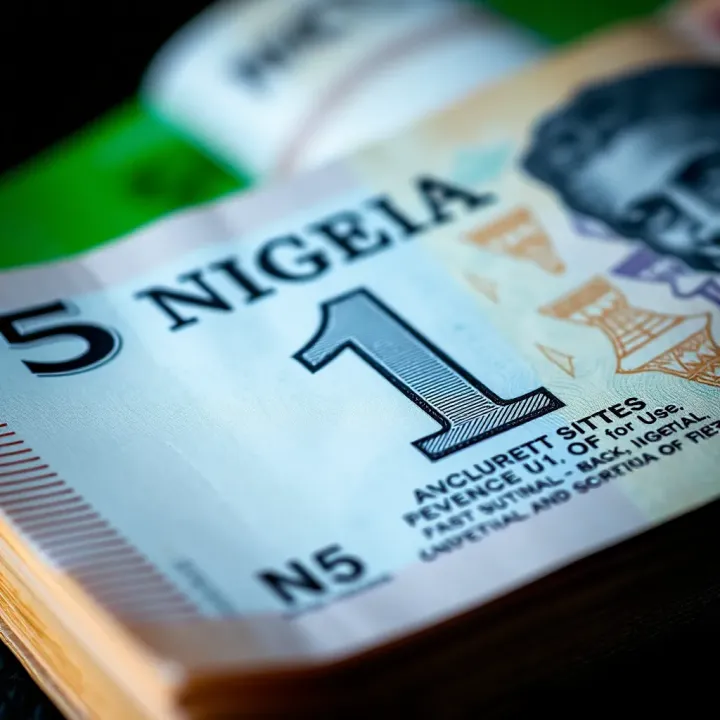
Security features incorporated into the N1 note include watermarks, security threads, and micro-printing. These measures work together to discourage counterfeiting. For example, the watermark of the Central Bank of Nigeria (CBN) logo becomes visible when the note is held up to light, making it easier for everyday users to spot fakes.
In practice, the ₦1 note remains widely used in areas with limited access to digital payment options or where cash remains king. Markets, roadside mama puts, and transport fares paid to okadas or danfos often involve several ₦1 notes in exchange. However, with the growth of fintech platforms like OPay, Kuda, and Paystack offering easier and faster digital payments, demand for the physical ₦1 note has shifted, especially among younger, tech-savvy Nigerians.
Despite digital trends, cash remains vital in Nigeria’s informal economy, where millions depend on physical notes daily.
Challenges abound, with many people finding the ₦1 note wears out quickly due to frequent handling. Replacement logistics can be slow, causing occasional shortages in circulation. Also, inflation over the years has reduced the note’s buying power, yet it still plays an important role in facilitating rounding and change.
To sum up:
The ₦1 note helps maintain fluidity in everyday small transactions.
Security designs guard against counterfeiting and maintain trust.
Increased digital payment adoption is reshaping the note’s usage.
Its continued circulation reflects Nigeria’s sizeable cash-dependent population.
Understanding the significance of the ₦1 note gives valuable insight into Nigeria’s cash economy, revealing how even the smallest currency piece influences daily financial behaviour across the country.
Understanding the history and development of the Nigerian N1 note gives a solid background on how this currency became an everyday staple. For analysts or tech-savvy youths, this context reveals why the N1 note holds practical value despite rising digital payments. Casinos and betting professionals find it useful to appreciate the note's reliability in small-stake transactions.
Before the N1 note came into circulation, Nigeria primarily used coins for low denominations and banknotes in higher values. The earliest currency system featured British West African currency, with coins bearing colonial insignia. This was impractical for petty traders and daily market use, thus creating demand for smaller denomination notes. For example, retail sellers at local markets in Lagos preferred coins but sometimes struggled with availability and weight.
The N1 note was introduced in 1973 to fill the gap between coins and higher banknotes like the ₦5 and ₦10 notes. Its arrival coincided with Nigeria’s efforts at economic expansion post-oil boom, aiming to streamline cash transactions at the grassroots level. For betting operators, the N1 note became essential in quick cash exchanges, especially in informal betting markets where small stakes dominate.
Originally printed on cotton-based paper, the N1 note has seen shifts in material to improve durability. Early printings featured simpler designs, but as counterfeiting threats grew, the Central Bank of Nigeria updated the note’s composition and design. These changes impact users directly, as more durable notes lessen the frequency of replacing worn-out notes, which is common in busy payment environments like those in motor parks or barbing salons.
The N1 note traditionally showcases significant Nigerian figures and symbols that reflect the country's heritage. The first editions carried portraits of prominent national leaders like Alhaji Sir Ahmadu Bello or Nnamdi Azikiwe. These features serve a dual purpose: preserving cultural identity and deterring counterfeiters. Betting houses and shops sometimes consider these images reliable indicators when sorting genuine notes from dubious ones.
The N1 note uses a mix of green, brown, and tans, colors chosen for their link to Nigeria's natural environment and historical banknotes. Patterns are intricate but not overwhelming, designed so that the average user could spot flaws easily. For example, the symmetrical geometric patterns help sellers at markets quickly identify genuine notes amid busy environments.
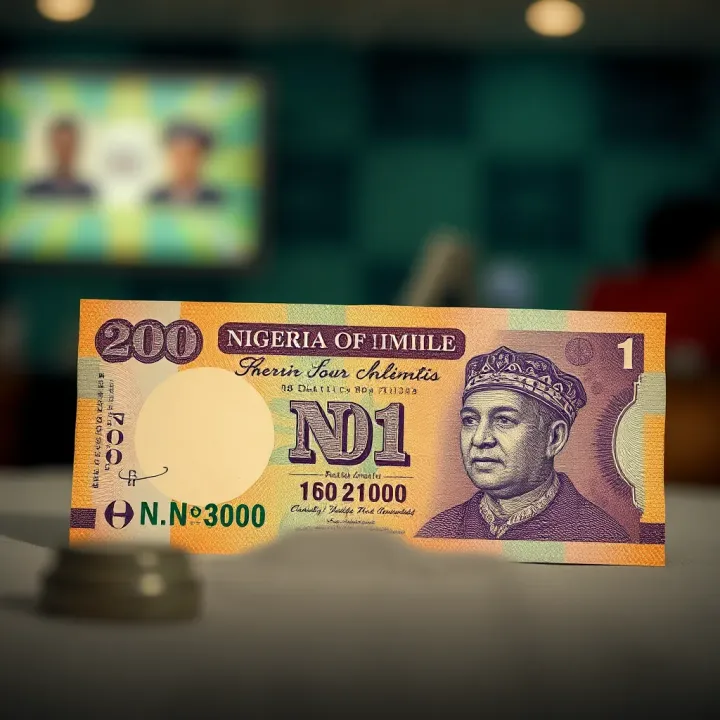
Each redesign has affected how Nigerians view the N1 note’s trustworthiness and usefulness. For many older citizens, new designs can initially cause hesitation, raising concerns about counterfeit risks. However, over time, these updates instil confidence and reduce fraud, especially as technology-savvy youths become the primary users. This evolving trust explains why despite inflation, the N1 note remains in regular use, particularly where digital payments may not be feasible.
The N1 note, although small in value, carries a rich history and practical design evolution that keeps it relevant across Nigeria's diverse economy.
This historical overview equips readers—especially those involved in betting, analysis, or day-to-day trade—with deeper understanding of the N1 note’s origin, design shifts, and continued importance today.
The Nigerian N1 note holds practical value beyond just its monetary worth. Its physical and security features ensure it remains a trusted medium for daily transactions, helping users identify genuine notes while reducing the risks of counterfeiting. For gamblers, analysts, and tech-savvy youths who handle cash frequently, understanding these features protects your interests in betting shops, markets, and informal business settings.
The N1 note is printed on a specially chosen paper designed to balance durability with ease of handling. Unlike ordinary paper, it incorporates cotton fibre, which gives it a slightly textured feel and stronger resistance to tearing. This material choice is vital in Nigeria's humid climate, where cheap paper money could deteriorate quickly, leaving people with unusable notes.
In terms of size, the N1 currency note measures approximately 130 millimetres in length and 70 millimetres in width. This dimension strikes a balance between being compact enough for wallets and pockets and large enough to display clear, recognisable features. The weight and thickness of the note are carefully controlled; too thick, and it would be cumbersome, especially when dealing with many notes, as in betting pools or market transactions.
Durability remains a core focus, given how often the N1 note passes through various hands daily. The cotton-enhanced paper withstands regular folding, moisture, and abrasion better than plain paper. However, the note still has a limited lifespan, often lasting a few months before becoming worn out, which causes the Central Bank of Nigeria (CBN) to routinely withdraw damaged notes to keep the currency cycle efficient.
One of the most accessible ways to verify the N1 note is through its watermark and embedded security threads. When held up to light, you can see a hidden portrait watermark matching the main image on the note. Additionally, a thin metallic security thread runs vertically within the paper, invisible to the naked eye under normal conditions but shining under direct light. This helps both everyday users and retailers quickly spot fake notes.
Beyond these, the N1 note features microprinting and latent images that appear only under close inspection or specific angles. For example, tiny inscriptions of "CBN" or the denomination are printed in areas that look like lines or patterns to the naked eye. This detail prevents counterfeiters from reproducing the note with simple photocopying or printing equipment.
Colour-shifting inks offer another layer of protection. Certain areas of the note, such as the denomination numbers, change colour when tilted, making it difficult to imitate. Also, subtle fluorescent inks become visible under ultraviolet light, a feature mostly employed by banks and larger businesses to verify notes.
The multiple security features on the N1 note work together to safeguard Nigeria’s currency system. For anyone dealing with cash regularly, such as a betting professional or market trader, learning to spot these can save you from losing money to fake notes.
Understanding these physical and security details helps maintain the integrity of everyday financial dealings and promotes confidence in the currency system. Next time you handle a N1 note, check for these key features before accepting it, especially if you suspect fraud or deal with unfamiliar sources.
The N1 note remains a staple currency for everyday retail purchases, especially in local contexts where smaller denominations matter most. For instance, buying a sachet of water at a street vendor or paying for a quick chopped meal at a mama put often requires exact change, and the N1 note fits this need perfectly. Without it, these small but frequent purchases could become inconvenient, slowing down transactions or forcing people to round up payments.
In public transport, the N1 note is no less essential. Many commuters in metropolitan areas like Lagos or Kano still fare with danfos, keke napep, and okada riders who expect small notes for payments. A trip could cost between ₦50 and ₦200, so having the exact change with N1 notes helps ensure swift transactions without hassle or dispute. It’s especially useful during peak hours when drivers and riders prefer quick cash exchanges to keep the flow going.
Small-scale trade and market activities in places like Balogun Market or Ariaria Market rely heavily on the N1 note. Traders and customers often engage in haggling and exchange loose change frequently, so the note’s role in these dynamic cash environments is quite significant. It smoothens dealings that require exact sums under ₦100, such as buying spices, small quantities of fresh produce, or even paying for local services like shoeshining.
Inflation has steadily eroded the value of the N1 note, making it less practical over time. What once could buy a loaf of bread now barely covers the cost of a groundnut. This decline means many people prefer to use higher denominations or digital payments for even modest purchases, reducing the demand for this low-value note.
There’s also the issue of limited acceptance for larger payments. The N1 note simply isn't feasible for transactions above a few hundred naira, due to the bulk it creates. No one wants to carry hundreds of notes when paying school fees, utility bills, or buying fuel. This limits the N1 note’s circulation mostly to microtransactions and petty cash uses, restricting its role in the broader economy.
Physical wear and short lifespan further complicate the note’s usage. Frequent handling, folding, and exposure to moisture make N1 notes prone to tearing quickly. This means they must be replaced more often, which adds strain on the Central Bank of Nigeria’s printing and distribution resources. Many traders complain about the poor quality and difficulty of maintaining crisp N1 notes, especially in humid environments common across Nigeria.
The N1 note, while small in value, plays a vital role in Nigeria’s daily cash ecosystem by enabling precise and fast transactions, particularly in markets and public transport. However, inflation and physical durability challenge its effectiveness, nudging users towards digital options or higher denominations.
Nigeria's fast-evolving fintech scene has reshaped how people use money daily, especially the often-overlooked ₦1 note. With mobile money and digital payment platforms gaining ground, the demand for this low-value note is gradually shifting. This section discusses how fintech growth influences physical cash use and what the future might hold for the N1 note.
Services like OPay, PalmPay, and Kuda have exploded in popularity, particularly among young Nigerians and informal traders. These platforms offer quick, easy ways to send money, pay bills, and even buy airtime without fumbling with cash. For example, a mama put in Lagos can now receive payments digitally, reducing her need to keep small change like the ₦1 note handy.
Mobile payments have become a lifeline, especially during peak periods like ember months when cash flow tightens and markets get busier. By using these platforms, users avoid the risk of carrying large amounts of physical cash, which often wears down quickly, particularly low-denomination notes.
By reducing reliance on cash, these digital alternatives make transactions smoother and safer. They also cut down on the hassles of finding correct change for small purchases—a common complaint when using the N1 note. Most importantly, mobile money lowers transaction costs and saves time, which appeals to both urban and rural users.
Government policies have played a significant role in encouraging digital payments. The Central Bank of Nigeria (CBN) supports cashless initiatives aiming to reduce the height of physical cash in circulation. Regulatory frameworks encourage interoperability between platforms and banks, making digital payments more inclusive and accessible.
In addition, electronic payment requirements in sectors like transportation and utility bills have pushed more Nigerians toward adopting fintech. For instance, the introduction of cashless policy guidelines in Lagos and Abuja has accelerated the shift from cash to e-payments.
There is a clear trend towards reduced cash demand alongside growing digital adoption. However, cash remains critical in many parts of the country where internet coverage and smartphone access are limited. This creates a gradual, uneven shift rather than an overnight replacement.
Discussions about redesigning or withdrawing lower denomination notes like the N1 have surfaced. This is partly due to their declining value and the high cost of producing bills that wear out fast. While removing the N1 note is possible, the government must balance this with ensuring people still have enough cash for small transactions, particularly in rural markets and informal sectors.
Financial inclusion remains a key concern. Not everyone has access to mobile phones or the digital literacy to use fintech services effectively. Nigeria faces the challenge of promoting modern payment systems without sidelining vulnerable groups who depend heavily on physical cash.
The path ahead involves balancing digital innovation with practical realities on the ground. While fintech can reduce dependence on the N1 note, complete cash phasing demands thoughtful policies and infrastructure development.
To stay relevant, physical currency must adapt. This might mean smarter designs, better durability, or integration with mobile banking to serve hybrid transactions. For now, the ₦1 note still has a role, but fintech's rise signals a shift Nigerians must understand and prepare for.
Recognising genuine N1 notes and keeping them in good condition is important, especially if you’re someone who deals with cash daily—whether in markets, betting shops, or everyday errands. These small steps save you from accepting counterfeit notes and help your money last longer, avoiding frequent replacements.
Checking security features: Every Nigerian N1 note comes with specific security details like watermarks and security threads. For instance, holding the note up to light reveals a faint portrait watermark and embedded thread running vertically through the paper. These are there to make copying or printing fake notes difficult. Also, genuine notes have unique microprinting and colour variations that aren’t easy to replicate. Regularly observing these features helps you confirm the authenticity of a note quickly.
Spotting common counterfeiting signs: Counterfeit N1 notes often have uneven print quality—blurry or smudged images and text, faded colours, or missing details like serial numbers. You might also notice unusually glossy or rough paper used instead of the standard cotton-based paper. When a note feels off, like too flimsy or stiff, it’s safer to check it carefully or reject it, especially when dealing with unfamiliar sources.
Proper storage methods: N1 notes, being low denomination, tend to get discarded or stuffed carelessly into bags or pockets, which leads to tears and fading. To keep them in good shape, store them in a secure wallet or envelope, away from moisture and dirt. For traders at market stalls or betting corners, it’s ideal to use a simple cash box or a clean envelope to avoid the usual wear from being tossed around.
Handling tips to prevent damage: Avoid folding your N1 notes sharply or writing on them, as these actions weaken the paper fibres quickly. When receiving change, try to keep the notes flat rather than scrunched or balled up. Handling notes with clean, dry hands also helps prevent stains and prolonged damage, which is handy if you’re moving fast in a busy environment like an okada stand or mama put.
Taking a few seconds to check and protect your N1 notes not only prevents losses but also supports a smoother cash flow in daily transactions, especially in cash-heavy settings like betting shops, markets, and roadside businesses.
📱 N1 MobileLite boosts your mobile data sharing and connectivity in Nigeria. Get easy setup tips, security info, compatibility details, plus value insights for ₦ efficiency.
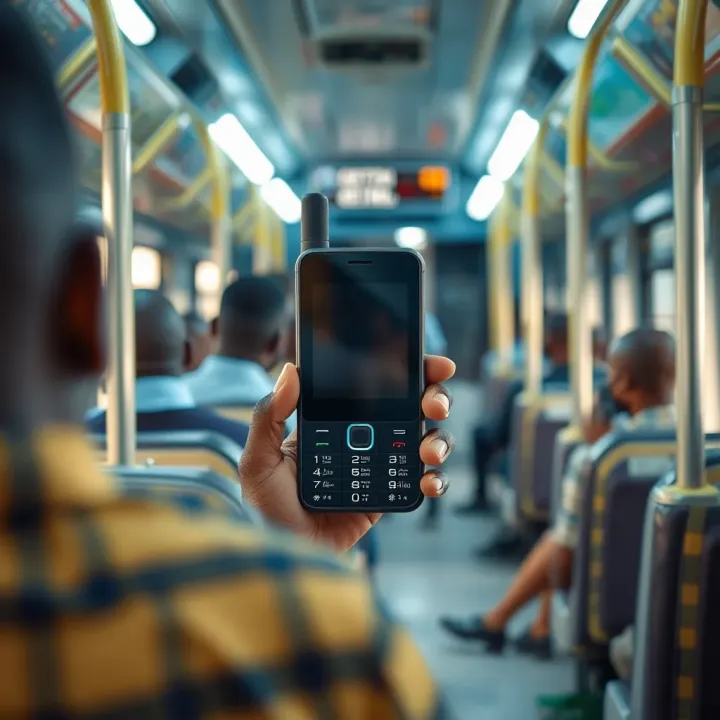
📱 Get the facts on the Old Mobile N1 Lite—affordable, sturdy, and common for calls and texts around Lagos danfo or mama put. Learn if it fits your ₦5k budget and daily needs.

Learn how N1 wagering rules on Nigerian betting sites affect your ₦stakes 🎲. Get practical tips to clear conditions, boost winnings, and play smart! 💡

🎲 Understand N1 Self Exclusion in Nigerian gambling—how it helps control betting habits, its benefits, application steps, and what players and operators should know. 👌
Based on 12 reviews