
Understanding and Converting N1 Codes in Nigerian Telecoms
📱 Understand N1 codes in Nigerian telecom, learn simple step-by-step conversion, fix common glitches, and get practical tips for smooth mobile service use in Naija.
Edited By
Emeka Nwosu
N1 Self Exclusion is a responsible gambling tool designed to help Nigerian gamblers regain control over their betting activities. Essentially, it allows a player to voluntarily block themselves from accessing gambling platforms or venues for a period they choose. This mechanism aims to protect individuals from excessive losses, helping to curb problem gambling before it escalates.
Unlike a complete ban imposed by regulatory bodies, N1 Self Exclusion is initiated by the player. For example, a bettor who feels they are losing track of their spending can request to be excluded, preventing further deposits or wagers. This step offers a practical, hands-on way to interrupt gambling habits without external enforcement.

The benefits of N1 Self Exclusion go beyond just limiting access. It provides a crucial cooling-off period, allowing individuals to reflect on their gambling behaviour. Operators often link this feature to other support services like counselling or financial advice, making it an integral part of Nigeria’s push for responsible gambling.
Here’s how the process commonly works:
The player applies for self exclusion through the gambling operator’s website, mobile app, or customer service.
Upon activation, the player’s account is suspended or restricted, barring them from placing bets or making deposits.
The exclusion lasts for the agreed time, ranging from days to months, after which the player can choose to resume gambling or extend the exclusion.
One practical example is a Lagos-based bettor who opts for a 3-month self exclusion on a popular sports betting site like Bet9ja or NairaBET. During this period, they cannot load funds or place bets, which helps break the cycle of impulsive gambling.
However, N1 Self Exclusion is not without limits. It depends heavily on the honesty and commitment of the player. Some might attempt to circumvent the system by creating new accounts or betting with friends, which undermines its effectiveness. Moreover, it may not cover all operators, especially smaller or unlicensed betting platforms.
Self exclusion offers a personal brake for gambling activities—it’s not a cure-all but a valuable first step for anyone who notices their betting habits getting out of hand.
From the operator’s side, incorporating N1 Self Exclusion demonstrates compliance with Nigeria’s National Lottery Regulatory Commission guidelines and shows a commitment to player welfare. For bettors, understanding how to apply and make the most of self exclusion can be a key tool in maintaining healthy gambling behaviour.
If you’re a player feeling the pressure of frequent losses or a betting pro seeking safer practices, knowing about N1 Self Exclusion helps you take concrete action rather than leaving luck or impulse in charge.
N1 self exclusion is a tool designed to help gamblers regain control by voluntarily barring themselves from gaming platforms for a defined period. This option is particularly useful for those who notice their betting habits drifting toward risky or compulsive patterns. Rather than a punitive measure, it’s a practical approach to foster self-control and prevent financial strain.
By using N1 self exclusion, players limit their access to gambling sites or services, which can range from online sportsbooks to casino platforms. This mechanism functions as a break button, giving the individual time to reassess their behaviour without the temptation to place bets.
Self exclusion means a player chooses to lock themselves out from gambling activities, usually through a formal request to an operator or regulator. In practice, this stops the player from logging in, depositing funds, or playing games for the exclusion period. It is a deliberate step toward managing gambling habits.
For example, a bettor recognising signs of uncontrolled losses might request a 6-month self exclusion from an online sportsbook such as Bet9ja. During this time, their account access is suspended to curb impulsive betting.
Many players turn to self exclusion when gambling causes financial difficulties, emotional stress, or disrupts daily life. Some notice a slippery slope from casual fun to uncontrollable urges, and self exclusion acts as a lifeline to interrupt this.
Others use it after sustaining heavy losses, aiming to protect their savings or family finances. The decision is often prompted by personal realisations or advice from loved ones and counsellors.
Self exclusion is a cornerstone of responsible gambling, signalling both player awareness and operator commitment to ethical practices. It helps reduce the risk of addiction by offering a cooling-off phase, which can prevent further harm.
Operators who provide self exclusion options build trust among players, showing they prioritise user welfare over profits. This also encourages a safer gambling environment nationwide.
Gambling in Nigeria operates under the oversight of the National Lottery Regulatory Commission (NLRC) for lotteries and the Nigerian Gaming Commission for other gaming activities. Regulations require operators to implement responsible gambling practices, including offering self exclusion options.
Though legislation exists, enforcement varies widely due to fragmented oversight and the rapid growth of online betting, which sometimes outpaces regulatory reach.
Nigeria’s betting scene has expanded considerably, with online platforms like BetKing, NairaBET, and Merribet gaining millions of users. Land-based betting shops remain popular, especially in major cities such as Lagos and Abuja.
This surge is tied to mobile internet penetration, easy payment systems like Paystack and OPay, and widespread appeal of sports, especially football. However, this growth also brings challenges like problem gambling and scams.
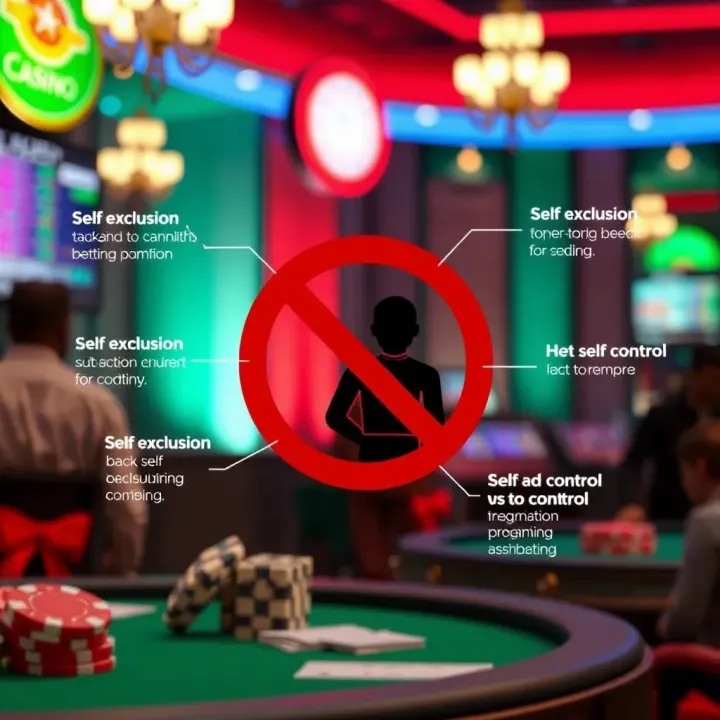
Given the rapid increase in gambling opportunities, Nigerian players often face pressure to bet beyond their means. Self exclusion helps curb such tendencies, offering a structured way to step back.
In a market where awareness of problem gambling is still building, self exclusion provides a safety net. For instance, a young player driven by excitement during ember months can use this feature to avoid impulsive losses.
Self exclusion is not a sign of weakness but a smart, proactive step towards healthier gambling habits.
In summary, N1 self exclusion is an essential tool that fits the needs of Nigerian gamblers amid a booming market. It balances personal responsibility with regulatory requirements, promoting safer betting culture across the country.
Understanding how N1 self exclusion functions is key for players seeking control over their gambling habits. This tool offers practical means to pause or stop gambling activities by restricting access to betting platforms, helping players avoid impulsive decisions that could lead to financial loss or addiction. Crucially, self exclusion empowers players with choice and protection, particularly in Nigeria's fast-growing gambling scene where online and land-based betting have become widely accessible.
Requesting self exclusion usually starts with the player logging into their gambling account and locating the responsible gambling section. From there, they select the option to self exclude and fill out a form, choosing their preferred exclusion period. For example, a player on Betway Nigeria might tick a box for self exclusion and submit the request. This straightforward process ensures that the player opts in consciously rather than being forced.
Duration options commonly range from short periods like one week or one month, up to six months or even permanent exclusion. This flexibility is useful, for instance, if someone knows they want a break during ember months when betting temptations rise. In practice, a player can select a 3-month exclusion and then decide later whether to extend it or return after the period lapses.
Verification follows immediately after the request. Platforms usually send a confirmation email or SMS to the registered number, affirming the start of exclusion. The player’s account is then flagged internally to block gambling activities. Such automated verification ensures no player can continue betting unknowingly. Some operators may also require identity confirmation via BVN or NIN to tighten the control.
Once a player activates self exclusion, strict restrictions apply to their account. Typically, access to betting features, promotions, and bonuses are disabled immediately. For example, a player who has self excluded on 1xbet.ng will find the betting interface greyed out or inaccessible. This prevents temptation or accidental bets.
Regarding financial transactions, deposits usually get blocked during the self exclusion period. Withdrawals, however, are often still allowed to enable players retrieve any remaining funds. This ensures players don’t get stuck with money trapped in their accounts. For instance, a player on Bet9ja who self excludes cannot fund their wallet but can withdraw their balance.
Some players might try to bypass exclusion by creating new accounts or using false information. Operators combat this through identification checks, IP tracking, and cross-platform data sharing where possible. Nigerian betting sites increasingly use BVN to verify identities, making it harder for excluded users to reopen accounts unnoticed. That said, enforcement remains a challenge, so staying committed to self exclusion is as much personal discipline as platform control.
Self exclusion offers a practical pause button for Nigerian gamblers, but its success relies on clear processes and the player's active commitment to avoid slips or account duplication.
This mechanism helps Nigerian players protect themselves from negative gambling experiences and promotes safer betting environments more broadly.
N1 self exclusion offers a practical tool for Nigerian gamblers aiming to control their betting habits. While it presents clear benefits, particularly in promoting responsible gambling, there are notable limitations due to Nigeria's unique market dynamics. Understanding these will help players and operators make informed decisions.
N1 self exclusion serves as a barrier against compulsive betting, allowing players to pause their gambling activities for a set time. This helps curb impulsive wagers that often lead to significant financial drains. For instance, a player noticing dwindling funds can self-exclude to avoid chasing losses during ember months when expenses traditionally rise.
Operators also benefit by reducing bad debts and customer complaints. When players use self exclusion responsibly, it signals that operators prioritise player welfare over immediate profits, which can enhance industry stability.
Problem gambling often strains mental health, leading to anxiety and depression. Self exclusion gives players a needed break, offering them time to seek support or reflect on their gambling behaviour. Imagine a player stressed from ongoing losses; opting out temporarily can reduce psychological pressure and create room for healthier coping mechanisms.
This break also supports mental resilience, as players avoid the cycle of emotional highs and lows common with gambling.
Transparency in offering and enforcing self exclusion fosters trust. Players feel protected knowing that operators implement reliable controls on accounts. This trust encourages safer betting environments and promotes long-term customer loyalty.
For operators, demonstrating commitment to responsible gambling through clear communications and effective tools boosts their reputation in a competitive Nigerian market crowded with both licensed and unlicensed platforms.
Nigeria's gambling industry features many offshore and less regulated sites, complicating enforcement of self exclusion. Operators may struggle to verify users across platforms or block accounts consistently, making it easy for some players to slip through the cracks.
This lack of uniform enforcement limits the overall effectiveness of N1 self exclusion, pointing to the need for better coordinated oversight.
Nigerian players keen to continue betting despite self exclusion can create new accounts on other platforms, especially since many operate independently without shared databases. This patchy network lets players bypass restrictions with little effort.
Such behaviour undermines self exclusion's intent and increases risks of financial harm, stressing the importance of broader cooperation among operators.
While the Nigerian lotteries and gaming commission has begun addressing responsible gambling, existing regulations lack detailed provisions for self exclusion enforcement. Policies are largely voluntary, leaving gaps in monitoring and penalties.
This regulatory shortfall means operators vary significantly in how they implement and promote self exclusion, affecting consistency and player protection nationwide.
Effective self exclusion requires not just tools, but a supportive industry and regulatory environment that Nigeria is steadily working to build.
In all, while N1 self exclusion offers meaningful benefits to both players and operators, its success in Nigeria hinges on addressing these challenges through stronger coordination and regulation.
Using N1 Self Exclusion is a helpful tool for players seeking control over their gambling habits. However, knowing when and how to use this option matters a lot. Nigerian players should weigh signs of problem gambling carefully before opting for exclusion. Also, self exclusion alone may not solve deeper issues related to addiction or mental health. Practical advice guides players on recognising these signs and taking the right follow-up steps.
Problem gambling often shows through patterns like spending more time or money than intended, chasing losses, or neglecting personal and financial responsibilities. For example, if someone regularly misses work because of betting or uses money meant for essentials to gamble, it signals trouble. These are red flags that self exclusion could help prevent further harm to one's financial and social wellbeing.
Still, there are moments when self exclusion might not be enough. If gambling causes severe stress, depression, or affects relationships deeply, players should consider professional help. Reaching out to counsellors or support groups adds a layer of care that goes beyond simply blocking access to betting platforms.
Once you've activated self exclusion, it's smart to look for support services available in Nigeria. Organisations such as the Nigerian Council on Problem Gambling or mental health centres can provide counselling and resources tailored for gamblers. These services serve as vital companions through difficult phases, helping to build healthier habits moving forward.
Meanwhile, finding meaningful alternatives to gambling is essential during the exclusion period. Engaging in hobbies like football, joining a community club, or learning new skills online can redirect energy and focus. For instance, many former gamblers in Lagos have found success attending local tech workshops or volunteering, which offer purpose and social connection outside of betting.
Taking practical steps before and after self exclusion helps maximise its benefits. Recognising harmful gambling patterns early and seeking support can make the difference between temporary relief and long-term recovery.
By properly assessing when to opt for self exclusion and following through with supportive actions, Nigerian players can regain control over their betting behaviour and improve overall wellbeing.
Nigerian regulators and gambling operators play distinct yet connected roles in making N1 Self Exclusion an effective tool. Regulators set the legal and operational framework that mandates responsible gambling measures. Operators, on the other hand, apply those rules to protect players actively. Together, their efforts ensure that self exclusion isn't just a checkbox, but a real way to curb problem gambling within Nigeria’s betting landscape.
The Nigerian lotteries and gaming commission provides specific guidelines requiring operators to incorporate self exclusion features into their platforms. These rules compel licensed sportsbooks and casinos to offer players the ability to limit or block their access for defined periods, helping Nigerian players avoid impulsive betting. For instance, the commission stipulates clear procedures for onboarding self excluded players, ensuring the process is transparent and respects player rights.
Monitoring enforcement remains another critical function of regulators. This means regular audits of operators’ compliance with self exclusion mandates, including reviewing system logs and player complaints to identify breaches or weaknesses. The commission may impose fines or sanctions on operators who neglect these duties. By taking this oversight role seriously, regulators help uphold trust in the Nigerian gambling market and protect vulnerable players regularly.
Operators implement self exclusion tools through technology such as account freezes, deposit blocks, and betting restrictions that automatically activate once a player chooses to self exclude. For example, popular Nigerian betting platforms like Bet9ja and NairaBet have integrated these features, enabling players to control their betting behaviour without needing repeated intervention. Such automated systems minimise human error and deliberate circumvention.
Transparency is key too. Operators must clearly inform players about self exclusion terms, such as minimum and maximum duration, withdrawal rights during exclusion, and reactivation processes. Regular communication through emails or app notifications reinforces awareness, helping players feel supported rather than cut off. Some operators go further by sharing educational content on responsible gambling which aligns with broader social responsibility goals.
Clear regulatory standards combined with diligent operator enforcement provide a practical shield for Nigerian gamblers seeking to manage their betting habits through self exclusion.
By understanding these roles, players gain confidence that self exclusion is a supported, reliable option embedded in Nigeria’s gambling system rather than a token feature.
📱 Understand N1 codes in Nigerian telecom, learn simple step-by-step conversion, fix common glitches, and get practical tips for smooth mobile service use in Naija.

Learn how N1 bonus wagering works on Nigerian betting sites 🎯, get tips to meet requirements fast, and boost your chances to win big with careful strategy 💰.
Discover how Draw No Bet works on ₦1 stakes for safer Nigerian sports betting. Learn tips, benefits, and where to pick this option confidently ⚽💰

Create your N1 Shop account quickly and start buying electronics, fashion, and household items. Secure your profile and enjoy seamless shopping across Nigeria 🇳🇬🛒
Based on 7 reviews