
Understanding the N1 Account Number in Nigerian Banking
Learn all about the N1 account number in Nigerian banking 📲—how to get it, use it safely, avoid common issues, and protect your ₦ transactions with ease.
Edited By
Helen Adeoye
N1 codes are a key element in Nigeria's telecommunications system, mostly tied to identifying and verifying mobile network subscribers. These codes serve as a unique identifier used by network operators to streamline service delivery, prevent fraud, and manage subscriber data effectively. If you've ever had to update your registration details or interact with your mobile provider’s USSD platform, chances are you encountered an N1 code.
Many times, gamblers and tech-inclined youths come across N1 codes during betting app registrations or when topping up mobile credit via codes on platforms like Paystack or Flutterwave. Understanding how these codes work can save you time and avoid unnecessary service interruptions.
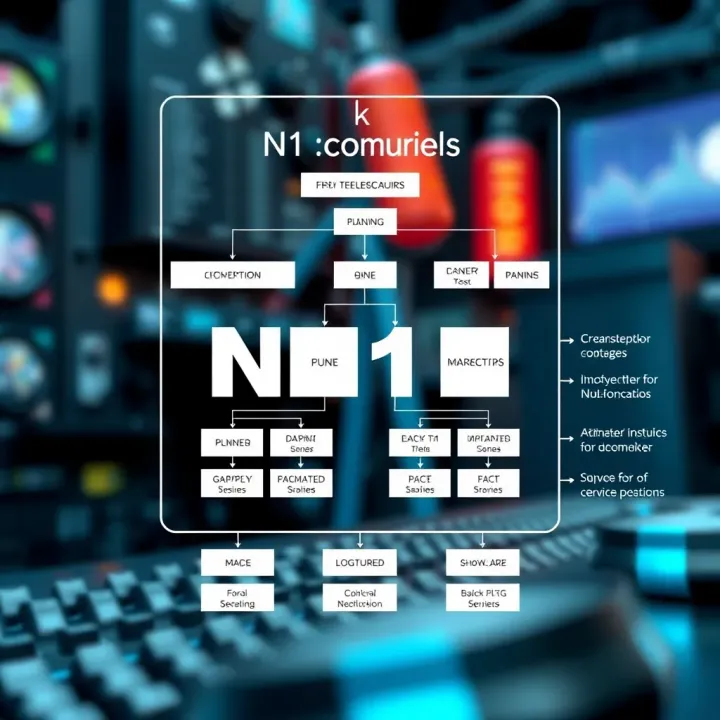
At its core, an N1 code typically consists of a series of numbers arranged to provide information about the mobile subscriber's network and region. It helps telecom operators locate your SIM card’s registration details instantly, supporting compliance with the Nigerian Communications Commission (NCC) regulations and Federal Government policies. For example, your SIM’s N1 code is crucial when you need to verify or update your Bank Verification Number (BVN) or National Identification Number (NIN) for your mobile line.
Remember: Your N1 code is not just a random sequence — it directly affects how your network service functions and how you interact with mobile apps or betting platforms. Having the correct and up-to-date N1 code ensures uninterrupted access to data, SMS, and voice services.
Registration on betting sites: Many Nigerian betting platforms ask for your N1 code as part of their verification process to prevent fraud.
Mobile money services: Platforms like OPay or PalmPay use N1 codes to confirm subscriber details during transactions.
SIM card updates: When migrating your SIM to a new device or network, your N1 code helps providers synchronize your data.
Grasping the role of N1 codes puts you ahead in managing your digital life efficiently, especially in Nigeria’s dynamic telecom environment. The next sections will cover how to convert your N1 code correctly, troubleshoot common problems, and practical tips for optimising your mobile experience.
Understanding N1 codes is essential for anyone involved in Nigeria's telecommunications, especially for tech-savvy youths, analysts, and betting professionals who rely heavily on seamless mobile connectivity. These codes play a fundamental role in how networks identify, route, and manage services across mobile platforms. Without a clear grasp of what N1 codes are, users risk encountering issues like dropped calls, failed data connections, or incorrect service delivery.
N1 codes typically consist of a series of digits assigned to specific operators or services within the Nigerian telecom ecosystem. For instance, a code might start with a prefix that identifies the network (such as MTN or Airtel), followed by segments that indicate the type of service or the geographical area. These codes are structured to allow precise identification, making it easier to manage and operate complex telecom networks.
The practical relevance is clear for anyone dealing with mobile network settings or customising telecom services. Knowing the structure helps in recognising which network a code belongs to or what service it unlocks. For example, a gambler using a mobile betting app might need to confirm their network’s specific N1 code to ensure uninterrupted data access.
N1 codes function as unique identifiers that telecom operators use behind the scenes to route calls, SMS, and data efficiently. They help networks decide which path a call or data packet should take, reducing congestion and improving connection quality.
In practice, these codes allow mobile network operators (MNOs) to keep services running smoothly. For instance, if a bettor calls a customer care center or accesses a betting platform, the N1 code ensures the system recognises the subscriber’s network, thus facilitating proper handling of their request without delays or errors.
For mobile users, N1 codes determine how their calls and data are identified and routed. This is vital in Nigeria’s crowded telecom space where multiple operators compete. When you make a call or use data, the N1 code instantly informs the network about your service provider and subscription details.
This identification process prevents misrouting and ensures calls reach their destination without unnecessary drops. For example, a gambler placing a live bet during a football match depends on this swift routing to avoid lag or loss of connectivity, which can cost real money.
Beyond identification, N1 codes influence how networks handle call quality and data speeds. They enable prioritisation of traffic in busy periods, which means users in peak hours get the best possible connection based on their plan and network capacity.
In practical terms, a betting professional relying on a quick notification about match odds benefits from this efficient handling. Poor management of N1 codes can lead to delays, missed alerts, or even failed transactions — issues no serious user wants.
Understanding and managing N1 codes can make a difference between smooth, reliable telecom service and frustrating downtime. For anyone invested in Nigeria’s telecom, from gamblers streaming live events to analysts studying network performance, knowing this system inside out provides a clear advantage.
Converting N1 codes accurately is essential for seamless telecom operations in Nigeria. These codes influence how calls connect, data routes, and services like USSD transactions function. For gamblers and betting professionals, any error in code conversion could mean failed transactions or delayed access to betting platforms, costing money or chances. Analysts rely on correct data flow, so understanding this conversion helps maintain integrity in telecom analytics.
Before attempting to convert N1 codes, you must gather key details. This includes the original N1 code, the target network or service you want to use, and the specific telecom protocol it relates to, such as GSM or CDMA. For example, if you want to use a USSD service on a different network, knowing the destination network's code format is crucial. Without these details, conversion may result in invalid codes that fail during verification or service access.
Additionally, understanding the structure of N1 codes—such as which digits represent the network identifier and which relate to routing—is a must. In Nigeria’s busy telecom environment, codes can slightly differ between operators like MTN, Glo, Airtel, or 9mobile, so having the correct schema for each helps ensure smooth conversion.
Simple code conversions can be done manually with a clear structure map, but many telecom operators and tech-savvy users prefer online platforms that help decode and reformat N1 codes. Tools like proprietary telecom software or network simulation apps can automate this task, reducing errors.
Nigerian fintechs developing payment or betting apps sometimes integrate APIs that handle these conversions behind the scenes. For instance, Paystack or Flutterwave might convert N1 codes for multi-network USSD transactions without exposing users to complexity. Knowing which tools to trust can save time and reduce technical glitches.
Manual conversion usually involves breaking the N1 code into segments—network identifier, service identifier, and subscriber number. You then replace or adjust the network segment to match the destination network’s assigned codes. For example, if converting an MTN code to Glo, you swap the MTN-specific digit with the Glo equivalent.
This approach demands careful attention; a minor error like mistaking a digit can result in failed calls or data sessions. Still, manual conversion is useful when tech tools are unavailable or when working offline. Gamblers in remote areas or those using feature phones often rely on this method.
Automated conversion software offers speed and accuracy, especially when handling many codes. These solutions connect to telecom databases or use coded rulesets to translate and verify N1 codes instantly. Betting platforms particularly benefit since quick verification of user numbers across networks ensures smooth bet placements.
Furthermore, some telecom operators offer USSD portals or smartphone apps that incorporate built-in N1 code management, making conversion invisible to the user. Leveraging such platforms reduces human errors and ensures up-to-date code structures, reflecting network changes or regulatory updates.
Successful conversion of N1 codes bridges connectivity gaps between networks, enabling comfort and reliability for all telecom users, whether casual mobile users, developers, or betting industry players.
Working with N1 codes in Nigerian telecommunications comes with specific challenges that can disrupt service or complicate data handling. Knowing these pitfalls and ways to handle them is key for tech-savvy youths, analysts, and gambling professionals who rely on accurate telecom data for betting, analysis, or system updates. This section addresses frequent errors and practical solutions to ensure smooth conversion and use of N1 codes.
One common mistake is misunderstanding what each part of an N1 code represents. These codes are segmented; each segment stands for a particular network function or identifier. For example, mixing up segments intended for network routing with those for service identification can cause failed calls or incorrect data routing. In betting platforms that rely on precise network signals, such errors could lead to wrong odds or delayed bet confirmations.
Such confusion often arises because some N1 codes look similar but serve different functions. To prevent this, always refer to official telecom documentation or use verification tools before finalising any code use. Avoid assuming that all N1 codes follow the same pattern, especially when dealing with multiple service providers.
A second major issue is entering N1 codes partially or with wrong digits. Typing errors, missing segments, or extra characters can disrupt the conversion process and lead to invalid codes.
For instance, a d code could cause a user’s mobile service to disconnect unexpectedly or block access to a betting platform relying on real-time mobile data.
Meticulous attention is needed when inputting codes—double-check each character, especially in automated systems. It helps to copy codes directly from trusted sources or use software that validates input before submission.
When problems arise, telecom providers’ customer support channels are critical allies. Nigerian telecom companies like MTN, Airtel, and Glo maintain customer care lines and online portals that help verify code issues, clarify network status, or provide alternatives.
For example, if your gambling app reports failed network authentication due to N1 codes, contacting your provider can quickly identify whether the code itself or network settings cause the problem. Some providers also offer USSD commands or mobile apps to validate and manage N1 codes.
Before using or converting N1 codes, validating them prevents downstream errors. Basic validation includes checking code length and segment structure against telecom provider standards.
More advanced steps involve using dedicated software that cross-references codes with network databases. For gambling analysts working on platforms that monitor telecom data signals, such software reduces errors and improves data confidence.
Regularly verifying your N1 codes ensures uninterrupted access to mobile services and reliable data operations, which can make or break user experience, especially in fast-paced betting or analytics environments.
Simple steps like cross-checking codes with provider resources, using verification apps, and maintaining accurate records play a major role in avoiding common telecom glitches linked to N1 codes in Nigeria.
Handling N1 codes correctly can save you loads of stress, especially if you frequently switch between services or telecom providers. These codes play a big role in how your calls and data get routed, so managing them well ensures smoother communication, better network performance, and fewer hassles. Both consumers and operators benefit when these codes are used effectively — customers enjoy hassle-free service, while operators streamline their network management.
Many Nigerian mobile users subscribe to multiple services, like data bundles, call plans, and roaming packages, each with its own N1 code. It’s smart to have a record of these codes, perhaps in a dedicated note on your phone or a secure app. For example, if you know your MTN data bundle code and your Airtel roaming code by heart, you’ll save time and avoid dialling errors when you need to top up quickly or switch plans. Regularly updating your list prevents confusion, especially if telecom providers update codes during network upgrades.
This practice is particularly helpful for professionals in fast-paced environments, like tech hubs or betting centres, where quick access to the right code can mean uninterrupted data or call services. It reduces the risk of service disruption during critical moments.
Your N1 codes can be just as sensitive as your Bank Verification Number (BVN) because they control your mobile services. Sharing these codes carelessly, especially on public forums or with untrusted contacts, risks exposing your account to unauthorised use. Always share codes through direct messages or secure channels.
When storing codes, avoid saving them in plain text apps or platforms vulnerable to hacking. Use password-protected notes or encrypted apps to keep them safe. For instance, if you use OPay or similar platforms, integrate secure storage methods to avoid exposing your codes during ember months when fraud attempts spike.
Uniform code structures help users navigate multiple services easily. Operators should work together to align their N1 code formats and ensure codes follow a logical, easy-to-remember pattern. For example, a consistent approach across MTN, Glo, Airtel, and 9mobile reduces confusion and cuts down customer support calls about code errors.
Standardisation also aids backend systems, easing tasks like network routing and billing. Operators can use standardised code libraries to update service offerings quickly and maintain service reliability across Nigeria’s complex telecom landscape.
Telecom operators must provide clear, accessible guides on N1 codes — detailing their purpose, how and when to use them, and how to convert codes between services. Offering this via websites, official apps, or interactive USSD menus helps users avoid common mistakes.
Moreover, transparent communication about changes or updates to N1 codes builds trust. If MTN plans to change a code central to its data bundles, informing users promptly through SMS alerts or on social media minimises disruption and confusion. Good support also means training frontline customer care to handle N1-related queries efficiently, enhancing overall user experience.
Proper handling and management of N1 codes simplify mobile interactions and foster a better telecom environment for everybody involved.
By following these tips, consumers keep control of their mobile experience, while telecom operators strengthen their service delivery and customer relationships.
Learn all about the N1 account number in Nigerian banking 📲—how to get it, use it safely, avoid common issues, and protect your ₦ transactions with ease.
🔍 Learn what the N1 Paystack deposit is and how it secures your payments in Nigeria. Get practical tips to avoid issues and smoothly handle your ₦1 deposit today!

Learn how N1 bonus wagering works on Nigerian betting sites 🎯, get tips to meet requirements fast, and boost your chances to win big with careful strategy 💰.

Discover how Draw No Bet works on ₦1 stakes for safer Nigerian sports betting. Learn tips, benefits, and where to pick this option confidently ⚽💰
Based on 6 reviews