

Sporty Aviator Sunglasses: How to Choose and Wear Yours
Discover how sporty aviator sunglasses blend style and function for active Nigerians. Learn to pick, use, and care for your perfect pair 🇳🇬😎🏃♂️
The role of an aviator goes beyond simply flying an aircraft from one point to another. Aviators are skilled professionals who ensure the safety, efficiency, and smooth operation of flights, whether for commercial airlines, cargo transport, or private aviation. In Nigeria, the demand for well-trained aviators is growing steadily, especially as the aviation sector recovers from disruptions and expands to meet global standards.
Aviators come in various types, including commercial pilots, helicopter pilots, flight instructors, and military aviators. Each type requires specific training and certification, which aligns with the regulations set by bodies like the Nigerian Civil Aviation Authority (NCAA) and the International Civil Aviation Organization (ICAO). For instance, a commercial pilot in Nigeria must obtain a Commercial Pilot Licence (CPL) from accredited flight schools such as the Nigerian College of Aviation Technology (NCAT) in Zaria or private institutions recognised internationally.
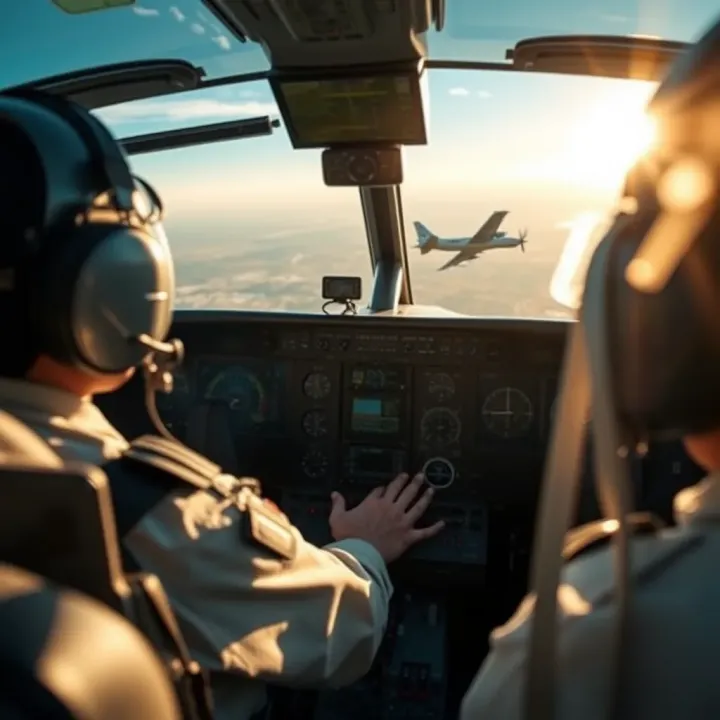
Training to become an aviator involves both theoretical knowledge and practical flying hours. Key subjects covered include aerodynamics, navigation, meteorology, and aviation regulations. Practical sessions will have the trainee pilot mastering aircraft control, emergency response, and instrument flying. The training process can take between 18 months to 2 years, depending on the type of licence pursued and the flight hours accumulated.
Skills necessary for an aviator include sharp situational awareness, quick decision-making, strong communication, and technical proficiency. These skills help pilots manage complex flight operations and adapt swiftly to weather changes or unexpected situations. For example, during Nigeria’s rainy season, aviators must adjust flight paths to avoid severe weather while maintaining schedules.
Becoming an aviator requires dedication to rigorous training, a clear understanding of flight mechanics, and the ability to remain calm under pressure.
Challenges faced by aviators in Nigeria include infrastructural gaps like inconsistent air traffic control systems, power supply issues at airports, and fluctuating fuel costs. However, career prospects remain vibrant, with airlines like Air Peace and Arik Air offering growing opportunities, as well as international prospects for Nigerian pilots who meet global standards.
This article will further explore these aspects in detail, helping you get a clear picture of the necessary steps and what to expect on the path to becoming an aviator in Nigeria and beyond.
Clearly defining who an aviator is and their core responsibilities sets the foundation for understanding the aviation profession. This knowledge is practical for anybody eyeing a career in flying, as it draws a clear line between expectations and reality. For instance, knowing that an aviator goes beyond just sitting behind the cockpit is crucial for grasping the discipline and skills involved.
Overview of aviator roles
An aviator is essentially someone trained and certified to operate aircraft. This includes pilots flying commercial planes, helicopters, or even small private planes. Each role requires specialised skills, but all share the common goal of safely navigating and controlling an aircraft. In Nigeria, aviators may be involved in passenger transport, cargo delivery, or even agricultural spraying with small planes.
Distinction between aviators and other aviation personnel
It’s important to separate aviators from other airport or airline staff like ground crew, cabin crew, or air traffic controllers. While these roles contribute critically to efficient air travel, aviators are the ones directly responsible for flying the aircraft. For example, while air traffic controllers guide pilots in the sky, it’s the aviators who manipulate the plane’s controls based on those instructions.
Flying aircraft safely
The main job of an aviator is flying planes safely. This includes managing the aircraft's controls, reacting to unexpected weather changes, and ensuring passengers or cargo reach their destination in one piece. A pilot operating a flight from Lagos to Abuja must maintain constant focus on the aircraft’s performance and surroundings to avoid any mishaps.
Pre-flight planning and checks
Before taking off, an aviator plans the flight path, checks weather conditions, and inspects the aircraft for faults. This step helps reduce risks such as running into bad weather or technical failures mid-flight. For instance, verifying the fuel levels and engine systems can prevent breakdowns in transit.
Communication with air traffic control
Maintaining clear communication with air traffic control (ATC) is vital. Aviators report their position, receive navigational instructions, and coordinate landings and takeoffs with ATC to prevent accidents. In busy airspaces like Lagos Murtala Muhammed International Airport, this communication is critical to avoid flight delays or collisions.
Post-flight procedures
After landing, aviators conduct post-flight inspections and complete necessary documentation. These steps help identify any issues encountered during the trip and prepare the aircraft for the next journey. Accurate reporting also supports the maintenance team in keeping planes flight-ready.
Understanding these roles clearly benefits aspiring aviators and stakeholders by highlighting the discipline required and emphasising safety as the aviation industry’s heartbeat.
Understanding the various types of aviators is essential for grasping how aviation functions across different sectors. Each category serves specific roles, from commercial travel to specialized military operations, shaping the impact of aviation on Nigeria’s economy and security. Recognising these differences helps aspiring pilots decide their career path and appreciate the demands of each type.
Commercial pilots in passenger airlines focus mainly on transporting people safely from one location to another. In Nigeria, these aviators navigate local routes like Lagos to Abuja as well as international flights connecting with West African or global hubs. Their role demands sharp navigational skills, strict adherence to schedules, and absolute attention to passenger safety. For example, pilots flying for airlines like Arik Air or Air Peace must manage complex operations while ensuring a smooth experience for passengers.
Cargo pilots concentrate on moving goods rather than passengers. Their tasks involve flying aircraft loaded with everything from perishables like fresh fish and fruits to heavy industrial equipment. Cargo aviation is vital for Nigeria’s business ecosystem, enabling quick delivery across large distances, especially to remote areas where road transport is challenging. Companies like DHL Nigeria rely on freight aviators to maintain supply chains and support e-commerce growth.
Private aviators primarily operate their own aircraft for personal or business travel. Owning a plane offers flexibility, making it easier to avoid congested commercial airports or inconvenient schedules. In Nigeria, some successful entrepreneurs use private planes to visit multiple cities swiftly, reducing time spent in traffic or waiting. However, owning a plane requires significant investment and ongoing costs, including maintenance and hangar fees.
Flying clubs serve as popular gateways for enthusiasts and hobbyists who want to learn flying without commercial or military ambitions. These clubs often provide flight lessons, social events, and group flying experiences, creating a community around the passion for aviation. Such platforms are crucial in Nigeria for nurturing interest among youths and amateur pilots who may later pursue more serious aviation careers.
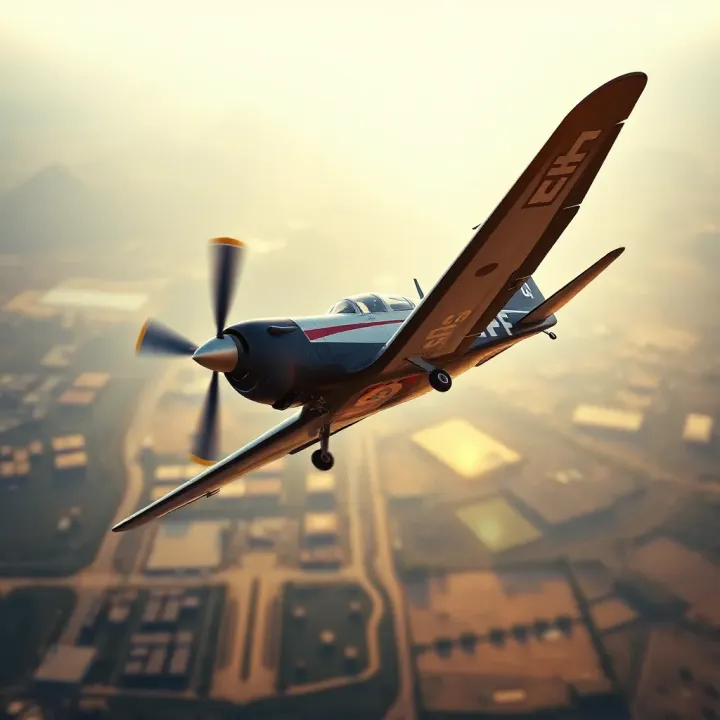
Military aviators in Nigeria undertake combat, reconnaissance, and defence missions to protect national security. These pilots undergo rigorous training to fly fighter jets, transport aircraft, and helicopters under high-pressure situations. Their expertise extends beyond flying, involving tactical operations and coordination with ground forces. The Nigerian Air Force depends on these pilots to maintain aerial superiority and respond swiftly to threats.
Helicopter pilots operate rotary-wing aircraft for diverse roles, including emergency medical evacuations, VIP transport, and offshore oil rig support. In Nigeria, helicopters are indispensable in locations where fixed-wing aircraft cannot land, such as dense forests or oil fields. Skilled helicopter pilots often work with oil companies or government agencies tasked with rapid mobility and crisis response.
Aerial survey aviators specialise in mapping, land inspections, and environmental monitoring using aircraft equipped with cameras and sensors. Agricultural pilots spray fertilisers or pesticides over farmlands to boost crop yields efficiently. Both roles assist Nigerian farmers and planners with quick, large-scale precision tasks that would be difficult from the ground, especially in sparsely populated rural areas.
Every type of aviator contributes uniquely to Nigeria’s aviation landscape. Whether flying passengers, cargo, or executing specialised missions, their roles shape economic growth, security, and technological progress in the country.
Training and certification establish the foundation for any aspiring aviator. In Nigeria, where air travel is growing and complex, these steps ensure pilots fly safely and meet both national and international standards. This process covers formal education, flight training, licensing, and medical fitness, all vital to securing a competent and reliable aircraft operator.
Basic educational qualifications for aviators generally demand at least five credits in WAEC or NECO, including English Language and Mathematics. This baseline ensures candidates possess the fundamental literacy and numeracy skills needed for technical instruction and navigation. Without these, understanding flight manuals or performing calculations during flight planning would be challenging.
Preferred subjects lean towards Physics, Mathematics, and Geography. Physics explains the principles behind aerodynamics, essential for grasping aircraft behaviour in various conditions. Mathematics sharpens problem-solving skills, often used in fuel calculations, flight paths, and speed estimations. Geography helps pilots understand maps and terrain, crucial when flying visual routes or responding to unexpected events.
Nigeria has a handful of approved flight training academies like the Nigerian College of Aviation Technology (NCAT) in Zaria and a few private schools meeting NCAA standards. These institutions provide practical and theoretical flight training, preparing candidates for national and international licence requirements. Choosing a certified school is non-negotiable, as licence issuances rely on training from such recognised centres.
The Private Pilot Licence (PPL) is the entry-level licence that certifies a pilot to fly private aircraft for non-commercial purposes. Obtaining a PPL involves accumulating a minimum flying time—usually around 40 hours—and passing written exams and practical checks. For enthusiasts wanting to fly recreationally or for private use, this licence is a practical starting point.
A Commercial Pilot Licence (CPL) authorises pilots to fly aircraft for commercial operations such as passenger airlines or cargo. This licence demands higher flying hours (approximately 200), more advanced training in navigation, flight planning, and handling complex flight scenarios. CPL holders may be employed by airlines or operate charter services, reflecting a professional aviation career.
Instrument and type ratings are specialised endorsements that allow pilots to fly under instrument flight rules (IFR) or operate specific aircraft types. For example, flying in poor weather or through clouds requires an instrument rating, while large jets or helicopters need type ratings due to their unique controls. These certifications enable aviators to handle diverse flying conditions and equipment safely.
Aviators in Nigeria must pass regular medical examinations conducted by NCAA-approved aviation medical examiners. These exams assess cardiovascular health, neurological function, and overall physical status to ensure the pilot can handle the physical stress of flying. Undiagnosed issues like hypertension or vision problems could compromise flight safety.
Maintaining fitness and vision standards is ongoing. Many aviators find daily exercise and regular check-ups help meet these demands. For instance, vision must typically be at least 6/6 with or without correction. Failure to keep these standards can lead to licence suspension, affecting careers, so health discipline is as important as technical training.
Remember, without meeting these training and health requirements, your journey as an aviator cannot take off. The Nigerian aviation industry insists on these standards to keep skies safe for everyone.
To excel as an aviator, one must possess a blend of technical expertise, physical fitness, and strong interpersonal skills. These key skills guarantee not only personal success but also the safety and efficiency of every flight operation.
Understanding aircraft mechanics and systems is fundamental for every pilot. A solid grasp of how engines, avionics, hydraulics, and electrical systems work allows aviators to respond promptly to technical issues during flight. For instance, when dealing with an unexpected engine warning light, a pilot who understands the underlying mechanics can perform timely troubleshooting, potentially averting an emergency.
Similarly, navigation and meteorology knowledge plays a vital role in guiding flights safely. Aviators must interpret weather patterns, forecasts, and airspace information accurately. Consider a pilot flying from Lagos to Abuja; knowing how to navigate around heavy thunderstorms common in the rainy season ensures a smoother, safer journey and helps avoid unnecessary delays.
Good eyesight and coordination are critical physical traits for pilots. Sharp vision helps in reading instruments, spotting other aircraft, and observing runway markers during take-off and landing. Hand-eye coordination supports precise control of flight input devices, especially in demanding situations like turbulence or crosswinds.
Stress management stands out as a necessary mental skill. Pilots often face high-pressure environments—unexpected weather changes, technical faults, or delays can induce stress. Being able to stay calm and focused prevents errors that might arise from panic or rush decisions.
Linked to this is excellent decision-making under pressure. A pilot’s ability to weigh options quickly and choose the safest course directly impacts flight outcomes. For example, deciding whether to divert to an alternate airport during poor visibility requires clear-headed judgment, balancing passenger safety with operational constraints.
Interacting with air traffic controllers (ATC) demands clarity and precision. Pilots communicate flight plans, receive instructions, and update their status through radio transmissions. Miscommunication can cause serious issues, so speaking in clear, standard aviation phraseology ensures coordination and safety across the crowded Nigerian airspace, especially at busy airports like Murtala Muhammed International Airport.
Lastly, working with co-pilots and ground staff underpins flight operations. Sharing responsibilities during flights and coordinating with maintenance crews or dispatchers on the ground simplifies complex tasks. Effective teamwork reduces mistakes and contributes to timely departures and smooth landings.
The blend of technical mastery, mental resilience, and excellent communication makes an aviator truly dependable. These qualities safeguard each flight and build trust within the aviation community.
In sum, successful aviators combine mechanical know-how, sharp sensory skills, mental toughness, and clear communication. Mastering these areas positions you well for a rewarding aviation career in Nigeria or beyond.
Aviators everywhere confront significant hurdles that affect their performance and safety. In Nigeria especially, these challenges intertwine with local conditions, making the profession demanding yet vital. Possible risks from weather, economic fluctuations, and stringent regulatory frameworks shape how pilots operate day-to-day. A clear understanding of these factors helps anyone interested in aviation appreciate what it takes beyond just flying.
Nigeria's tropical weather presents unique obstacles for aviators. Sudden thunderstorms, heavy rainfall during the rainy season, and high humidity levels can impair visibility and affect aircraft handling. Pilots must be well-prepared to navigate quickly developing weather fronts, especially in Lagos or Port Harcourt where traffic volumes complicate quick rerouting. For instance, a sharp rainstorm near Murtala Muhammed International Airport requires immediate adjustments to approach patterns.
Congested airports and airspace demand constant vigilance from aviators. Lagos airport is a prime example, where limited runway capacity meets growing passenger numbers, resulting in longer landing queues. Airspace around Abuja and Kano also gets crowded, with commercial, private, and military flights sharing corridors. This congestion increases workload on pilots and air traffic controllers alike, heightening the risk of delays or miscommunication.
The cost of training to become a licensed pilot in Nigeria is steep. Flight schools charge between ₦5 million and ₦15 million for complete commercial pilot licences, making it inaccessible to many aspiring aviators. Plus, maintaining licences involves recurrent training, medical checks, and simulator sessions, which add significantly to annual expenses.
Aviation demand and fuel prices are volatile globally and Nigeria is not immune. Fuel subsidies or price hikes affect airline operations directly; the spike in jet fuel prices in 2023 forced several Nigerian carriers to reduce flight frequencies temporarily. These fluctuations also influence pilot job security and salary adjustments, forcing professionals to adapt regularly.
The Nigerian Civil Aviation Authority (NCAA) plays a critical role overseeing aviation safety and regulatory compliance. The agency enforces standards relating to pilot certification, aircraft maintenance, and operational protocols. Non-compliance can lead to licence suspension or grounding of aircraft, putting pressure on aviators and operators to uphold the standards.
Adherence to international safety measures, such as those from the International Civil Aviation Organization (ICAO), ensures Nigerian aviators meet global benchmarks. This becomes ever more crucial for pilots flying international routes, who must align with multiple jurisdictions and airports. Consistent training and audits keep safety levels high and protect passengers, crew, and aircraft alike.
For Nigerian aviators, understanding these challenges isn’t just theoretical—it shapes how they prepare, operate, and succeed in this demanding profession.
Career opportunities and progression for aviators hold significant weight, especially in a Nigerian context where the aviation industry is growing but often constrained by economic and infrastructural factors. For aviators, knowing potential career paths and how to climb the ladder is vital not only for job security but also for personal development and income growth. Whether flying for airlines, joining military services, or starting entrepreneurial ventures, each path demands different skills and offers distinct rewards.
Entry-level roles and progression often begin with cadet or trainee pilot positions. New graduates usually start flying smaller aircraft or working as co-pilots while gaining flight hours and experience. This phase is crucial because many Nigerian airlines require a certain number of flight hours before considering a pilot for captaincy roles. For instance, a pilot might start flying domestic routes before progressing to international flights or handling larger aircraft like the Boeing 737 or Airbus A320.
Career progression depends largely on performance, continued training, and licensing upgrades. Ambitious pilots can advance to senior first officers and eventually captain roles. Job security and pay packages also improve with seniority, allowing pilots to enjoy better work-life balance and benefits over time.
Specialist roles within airlines include flying specific aircraft types or handling particular flight operations such as cargo transportation, night flights, or medical evacuations. Some airlines also have pilots specialising in simulator instruction or safety oversight. These roles demand additional qualifications and often come with increased pay or unique perks.
Specialist pilots may also work on VIP transport and charter services, where understanding client needs and adapting to varied schedules is critical. Such roles, although less common, offer opportunities for higher earnings and flexible schedules, fitting well with pilots aiming for a blend of professional challenge and personal freedom.
Air Force careers provide pilots with structured training and deployment opportunities. Aviation cadets here undergo rigorous discipline and often fly combat aircraft or surveillance drones. Beyond the thrill, the military offers steady income, pension benefits, and access to specialised technical training unavailable in civilian sectors.
Pilots in the Nigerian Air Force contribute to national security and sometimes engage in peacekeeping missions abroad. The strict hierarchy and service conditions may limit personal freedom but offer a unique career stability and honourable service path.
Search and rescue operations are another vital avenue within government agencies like the Nigerian Maritime Administration and Safety Agency (NIMASA) or the Nigeria Security and Civil Defence Corps. Aviators in these roles assist with disaster response, medical evacuations, and maritime patrols.
Working in search and rescue requires quick decision-making and adaptability, often flying in challenging conditions to save lives. For those passionate about public service, it offers fulfilling work and the chance to apply flying skills beyond commercial or military operations.
Flight instruction stands out as a rewarding alternative for experienced aviators. Becoming a flight instructor involves sharing knowledge with aspiring pilots, often through private flying schools or academies. In Nigeria, this path helps close the training gap created by the limited number of flight schools.
Instructors enjoy consistent work, often with flexible hours, and the role sharpens their flying and communication skills. It also opens doors to deeper involvement in aviation education or regulatory roles later on.
Owning or managing flying schools is a path for aviators with an entrepreneurial spirit. This option demands a mix of flying expertise and business acumen, as managing training facilities involves regulatory compliance, marketing, and operational oversight.
Successful school owners in Nigeria tap into the growing demand for pilot training and help develop future generations of aviators. It’s a capital-intensive venture but can provide sustainable income and industry influence.
Aerial photography and surveys represent a niche business opportunity, particularly relevant in Nigeria's construction, agriculture, and oil sectors. Aviators use small planes or drones to capture images for mapping, crop health monitoring, or pipeline inspections.
This path requires knowledge not just of flying but also of photography, surveying technologies, and data analysis. Those who master it can tap into government contracts or private sector projects, combining technical flying with specialised service delivery.
Career advancement in aviation is not one-size-fits-all; it depends on ambition, continued training, and the ability to adapt to sector needs. Understanding the diverse paths can help aspiring aviators plan effectively for a rewarding career.
Discover how sporty aviator sunglasses blend style and function for active Nigerians. Learn to pick, use, and care for your perfect pair 🇳🇬😎🏃♂️
🔍 Learn what the N1 Paystack deposit is and how it secures your payments in Nigeria. Get practical tips to avoid issues and smoothly handle your ₦1 deposit today!

Get to know the RTP of N1 Wolf Gold slot 🎰—how it affects your winnings in ₦. Compare rates, find safe Nigerian sites, and sharpen your play strategy today!

Grab the N1 Nigeria welcome bonus today 💰! Learn who qualifies, how to register, and tips to maximise your ₦ bonus for more value. Start benefiting now! 🎉
Based on 14 reviews