

NIN Registration App Nigeria: How to Register Easily
Learn how to download and use the NIN registration app 📱 to simplify your enrolment in Nigeria. Get tips on troubleshooting, data security, and the app's impact on ID management 🇳🇬
Edited By
Emily Turner
Aviator sunglasses have stood the test of time, moving from military use to a staple of everyday style. For Nigerians who live active lifestyles—whether navigating Lagos traffic on an okada or running around for errands—sporty aviators offer the perfect blend of fashion and function.
Unlike the classic aviator with its large, teardrop-shaped lenses and thin metal frame, sporty aviators add features for comfort and durability during physical activity. You'll find options with rubberised nose pads, flexible hinges, and lighter frames to keep them secure and comfortable throughout your busy day.
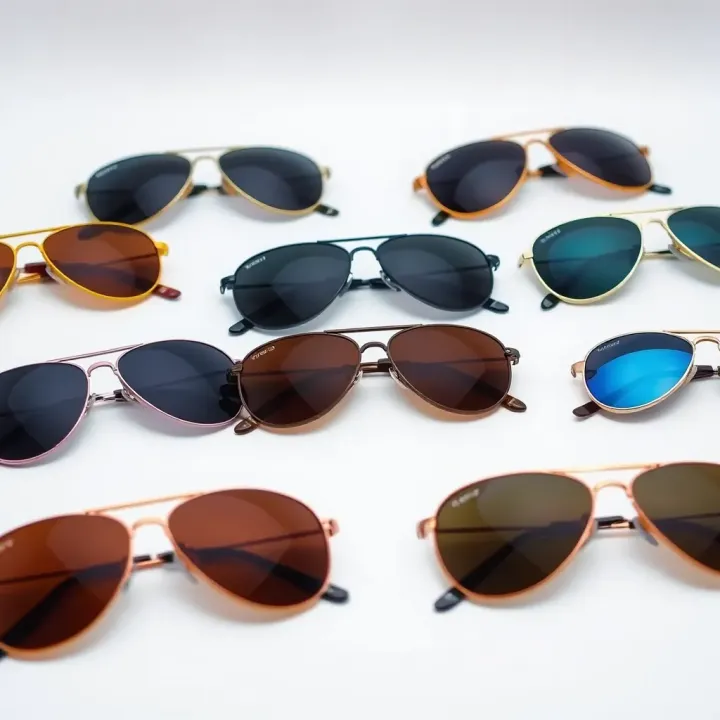
These sunglasses not only protect your eyes from harsh sun and dust—a real challenge for many cities and rural areas in Nigeria—but also add a sharp edge to your look. Plus, high-quality lenses with UV protection help guard against long-term eye damage in our sunny climate.
Different brands now cater to this active segment, with affordable yet qualitative models available locally and through Nigerian e-commerce platforms like Jumia Nigeria and Konga. The key is choosing aviators that balance durability, style, and comfort.
When selecting aviator sunglasses for a sporty life, look beyond style. Consider lens protection, frame strength, and fit to avoid constant adjustments or breakages during activities.
To give you the upper hand, this guide will cover:
Design features that matter for active use
How to pick aviators suited for Nigerian conditions
Practical tips for wearing aviators comfortably during physical activities
Maintenance advice to keep your shades in top shape
Top brands and models popular among Nigerian consumers
Whether you're a tech-savvy youth exploring new styles or a betting professional who needs reliable eye protection between bets and analysis, understanding what makes sporty aviators tick helps you find a pair worth your money.
Keep reading to master the art of wearing and choosing aviator sunglasses designed for action and style.
Understanding sporty aviator sunglasses helps you make informed decisions when choosing eyewear suited for active lifestyles. These sunglasses are not just about style; they combine function and durability to offer protection and comfort during physical activities like jogging, cycling, or even riding okada through busy Lagos traffic. Knowing their history, design, and key features sets you up to pick a pair that fits well, shields your eyes, and lasts longer on the road or field.
Aviator sunglasses first took off in the military, designed for U.S. Air Force pilots in the 1930s. Their purpose was to reduce glare from the sun at high altitudes while offering clear vision under intense light conditions. The large, teardrop-shaped lenses covered the eye entirely, shielding pilots from both direct sunlight and peripheral glare. This practical design is why aviators became synonymous with eye protection and durability.
By the 1950s and 60s, aviators jumped from military use to civilian fashion, popularised by Hollywood stars like Tom Cruise in "Top Gun." Their sleek, confident look caught the imagination of young Nigerians and Africans alike, especially those who admired Western trends mixed with local street style. Beyond style, the functional lens design and frame shape made aviators a go-to for everyday sun protection, whether driving through Lagos traffic or relaxing at a mama put.
Recognising the need for better performance during physical activity, designers refined aviator sunglasses with sport-friendly upgrades. These included using lighter materials, UV-protective lenses with anti-glare coatings, and frame styles that fit snugly to avoid slipping during intense movement. Now, sporty aviators are favoured not only for their classic look but for how well they handle running, cycling, and outdoor work under the hotspot Nigerian sun.
Sporty aviators often use materials like nylon, polycarbonate, or titanium for frames and lenses that balance strength with lightness. For instance, titanium frames resist corrosion and bending, perfect for the humid coastal cities in Nigeria, while polycarbonate lenses withstand impact from debris or unexpected falls during jogging. These materials prevent discomfort from weight and reduce the chances of breaking, making them practical for daily active use.

Lenses in sporty aviators feature UV400 protection standards, blocking 100% of harmful UVA and UVB rays—a must-have for Nigerian outdoor activities where sun intensity is high. Polarised lenses reduce glare from reflective surfaces like water, roads, or vehicles, which helps when riding an okada or driving. Some models offer mirror coatings or photochromic tints that darken under bright conditions and lighten indoors, keeping your vision clear at all times.
Sporty aviators come with adjustable nose pads and temple tips that prevent sliding caused by sweat or sudden movement. Some include rubber grips on the earpieces for extra hold while running or cycling. Ventilation features reduce fogging in humid climates, as seen in Lagos and Port Harcourt, where moisture can quickly build up behind lenses. Such considerations make the difference between a pair that slips off every minute and one that stays perfectly in place throughout a full day of activities.
Picking your aviator sunglasses with a clear understanding of these origins and features ensures you get both the style and practicality needed for Nigeria’s active environments. Your eyes will thank you during long sunlit days, be it at the gym, street, or roadside market.
Selecting the right sporty aviator sunglasses is more than just a style statement—it directly affects how comfortable and effective they will be during your active routines. Whether you’re jogging in the early Lagos sun or riding your okada through busy traffic, the right pair protects your eyes while fitting well enough to stay put without distraction.
Face shape compatibility plays a vital role in how aviators look and feel on you. Generally, aviators suit most face shapes, but knowing your contours helps narrow choices. For example, sharp facial features like those with square faces do well with aviators that have rounder, softer frames to balance angles. Meanwhile, round or oval faces often pair nicely with the classic teardrop shape, enhancing natural proportions and providing better coverage. Ignoring face shape can result in sunglasses that slide off easily or appear out of place.
Lens tint and UV protection standards are essential for safeguarding your eyes from harmful sun rays. In Nigeria’s sun-blessed environment, lenses should block 99–100% UVA and UVB rays. Common tints include grey, brown, and green, each offering different advantages:
Grey lenses reduce brightness without distorting colours.
Brown lenses enhance contrast, helpful in hazy or low-light situations.
Green lenses offer balanced colour perception and comfort.
Choosing a lens tint suitable for your primary activities improves visibility and reduces eye strain. Always check for proper UV protection certification when buying.
Frame size and comfort for prolonged wear cannot be overstated—sports and outdoor activities demand sunglasses that don’t pinch or cause pressure spots. Frames that are too tight will irritate behind your ears or nose, while loose ones risk slipping. Consider lightweight materials like titanium or nylon, common in sporty aviators for their durability and low weight. Also, adjustable nose pads contribute to a customised fit, preventing discomfort during prolonged use.
When shopping in Nigeria, it’s crucial to know which brands offer quality and value. Brands like Ray-Ban, Oakley, and Polaroid have made their way into Nigerian markets through authorised distributors. Their sporty aviator ranges typically cost between ₦25,000 and ₦70,000, depending on features and lens technology. Besides international brands, some local retailers assemble or import good quality aviators at competitive prices, often starting from ₦10,000.
Performance-wise, Ray-Ban’s Aviator model remains popular for blending classic style with durable frames and high-standard lenses. Oakley leans more towards athletes, offering enhanced grip and impact resistance suitable for Lagos's humid climate and bumpy roads. Polaroid provides affordable polarised options, reducing glare especially around water bodies like Lagos Lagoon.
Finding genuine sunglasses is critical; counterfeit products flood markets, especially online. Always buy from trusted outlets such as major shopping malls in Lagos, Abuja, or reputable online platforms with customer reviews. Checking for warranty and certification also assures authenticity and after-sales support.
Investing time to choose the right sporty aviator ensures you get both protection and comfort, making your outdoor experiences more enjoyable and stylish.
Sporty aviators serve more than just looks; they need to keep up with your movement and environment. Getting the right fit and features is vital for comfort and safety, especially when you're active. The way your aviators stay secure and handle specific sports environments can make all the difference in how well they serve you, whether jogging under the scorching sun or riding okada through Lagos traffic.
Adjustable nose pads and temple tips help tailor the fit of your aviators to your face shape. This feature keeps the sunglasses snug without pressure points, preventing slippage during vigorous movement. For example, if you often run or cycle, aviators with soft silicone nose pads can reduce sweaty slippage, making your exercise session hassle-free.
Moreover, adjustable temple tips (the ends that sit behind your ears) allow you to fine-tune how tightly the glasses grip your head. In a place like Lagos, where roads are rough and commutes can jolt your balance, this feature limits shifting frames so you keep your eyes protected and your vision clear.
Use of straps or grips to prevent slipping is another practical way to keep your aviators in place. Straps made of elastic or silicone materials fastened behind your head add extra security, especially during activities like cycling or water sports where sudden movements are common. For instance, having a strap when riding okada minimizes the chance of the sunglasses falling off due to wind or bumps.
Grips on the nose pads and temple arms improve friction against skin, useful in humid climates like Nigeria’s where sweat can cause slippery frames. These grips are small but effective, often made from rubber or textured plastic, ensuring your aviators stay steady throughout your activity.
Balancing protection and ventilation is key to avoid fogging and discomfort during intense activity. While full coverage shields eyes from dust and UV rays, poor airflow can trap heat, making the glasses uncomfortable. Sporty aviators often include subtle vents or designs that allow breathable airflow without compromising protection.
For example, if you jog early morning at the National Theatre surroundings and the air is humid, vents prevent fog buildup on lenses, ensuring clear vision. This balance also helps reduce sweat accumulation around the eyes, improving both comfort and safety.
Running and jogging under strong sun demands aviators with lenses that reduce glare and block 100% UV rays. Mirrored or polarized lenses work well, cutting down the harsh sunlight common in Nigerian afternoons, especially in open parks like Ikeja or Ajah.
Lightweight frames that won’t bounce during running are crucial. A secure fit reduces distractions, letting you focus on your pace rather than adjusting your sunnies every few minutes.
Water sports considerations call for waterproof and corrosion-resistant aviators. Saltwater and chlorinated pools can slowly damage lower-quality metals and coatings. Frames made of stainless steel or high-grade plastics serve better.
Additionally, impact-resistant lenses help in case of sudden movement or falls. Floating sunglasses that don’t sink also provide convenience if dropped during activities like jet skiing or kayaking off Tarkwa Bay.
Driving and riding okada with aviators require a good balance of clear vision and comfort. Aviators chosen here should reduce glare from sun and reflective surfaces on roads—a common issue on Lagos highways and during ember months with longer sun exposure.
Because okada riders face wind and dust, aviators with sturdy frames and wrap-around designs prevent particles from getting into the eyes. Also, anti-scratch coatings preserve lens clarity against constant exposure to airborne grime.
Comfortable, secure aviators protect your eyes while matching the demands of your active lifestyle. Poor fit or wrong features can cause discomfort, distractions, or even accidents.
Getting it right means your sunglasses stay a reliable ally, whether you’re jogging in Lekki, handling water sports in Badagry, or weaving through traffic on an okada.
Maintaining your sporty aviator sunglasses is just as important as choosing the right pair. Without proper care, lenses can become scratched, frames may warp, and the overall functionality suffers. In Nigeria’s demanding environment—think intense sun, dust, and sudden downpours—taking care of your sunglasses preserves both vision protection and style.
Using appropriate cleaning solutions is essential for keeping lenses clear and scratch-free. Avoid wiping with your shirt or rough cloths as these can cause tiny scratches over time. Instead, use a microfiber cloth paired with a lens cleaner designed for eyewear. Even a gentle mix of warm water and mild dish soap works well—just rinse and dry with a soft cloth. Harsh chemicals or household cleaners should be avoided since they can degrade lens coatings and frame materials.
When it comes to handling scratches and minor damages, small marks can be a blessing in disguise—they offer clues on what caused the damage and how to prevent it next time. Unfortunately, most scratches can’t be completely removed without professional polishing. Still, you can reduce their visibility by applying lens repair kits sold in Nigerian markets or specialised optical stores. But don’t try DIY harsh fixes; sometimes, incorrect methods make things worse. Periodic inspection helps decide if complete lens replacement is necessary.
Storage advice to avoid deforming frames is often overlooked but vital. Simply tossing your aviators in the glove compartment or inside a bag's pocket invites problem. Heat inside a car in Lagos might bend your frames or damage lens coatings, while careless storage risks bending temples or breaking nose pads. Always keep your sunglasses in a hard case when not in use. If a hard case isn't available, a soft pouch combined with minimal pressure is better than nothing. Proper storage helps maintain the original fit and ensures comfort during wear.
Regular inspection and timely repairs are key to extending your aviators’ usability. Check screws on the hinges for looseness and tighten them carefully with a jeweller’s screwdriver when needed. Broken nose pads or temple tips should be replaced promptly as they affect stability and comfort, especially during physical activities like riding an okada or jogging in the sun.
It’s equally important to consider replacing worn-out parts rather than tossing your entire pair. Some brands available in Nigerian stores offer replacement parts, especially for high-end models. Swapping out rubber grips or replacing scratched lenses can save money and boost longevity.
Finally, protecting against excessive heat and moisture is crucial. Lagos heat or sudden humidity can warp plastic frames and cause rust on metal parts, while leaving sunglasses wet encourages corrosion and mould growth. After exposure to rain or sweat, wipe your aviators dry before storage. Avoid leaving them under direct sunlight when not worn, especially on dashboards or motorbike seats, to prevent fading and frame distortion.
Regular care is not a luxury but a necessity for sporty aviators. In Nigeria’s sun and dust-heavy environment, proper cleaning, storage, and timely fixes keep your sunglasses performing well and looking sharp for longer.
Taking these simple steps gives you value for your investment and a clear, comfortable view whenever you step outdoors.
Learn how to download and use the NIN registration app 📱 to simplify your enrolment in Nigeria. Get tips on troubleshooting, data security, and the app's impact on ID management 🇳🇬

Learn how to register and access your National Identification Number (NIN) in Nigeria 🇳🇬. Get clear steps, registration needs, login tips, and know how NIN helps you access government and private services smoothly.

⚽ Learn effective football betting tips for Nigerian punters: master betting basics, analyse local match data, manage bankroll wisely, and spot trusted tip sources to improve wins.
🔍 Learn what the N1 Paystack deposit is and how it secures your payments in Nigeria. Get practical tips to avoid issues and smoothly handle your ₦1 deposit today!
Based on 5 reviews