
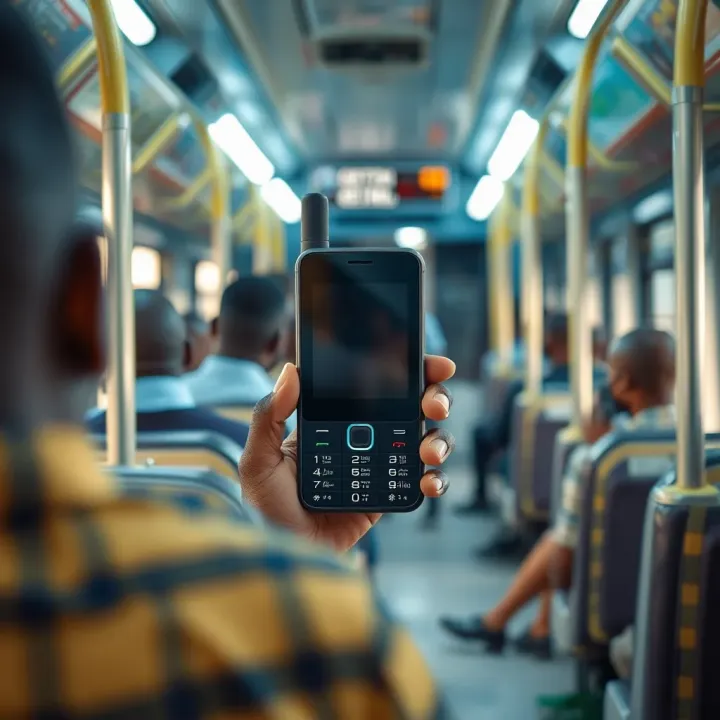
Old Mobile N1 Lite in Nigeria: Features and Value
📱 Get the facts on the Old Mobile N1 Lite—affordable, sturdy, and common for calls and texts around Lagos danfo or mama put. Learn if it fits your ₦5k budget and daily needs.
Edited By
Elizabeth Ward
Buying old N1 mobile phones from Nigerian shops requires some hands-on knowledge to avoid falling into common traps. These devices, often found in markets across Lagos, Abuja, and Port Harcourt, remain popular because they offer basic calling and texting functions without the costs of smartphones.
First, understand what you are paying for. Old N1 phones are generally feature phones, lacking internet capabilities but highly durable and affordable. Typical prices range between ₦1,500 and ₦5,000 depending on the phone’s condition, brand, and seller. For instance, a well-maintained Nokia or Itel phone might command a higher price than lesser-known brands.
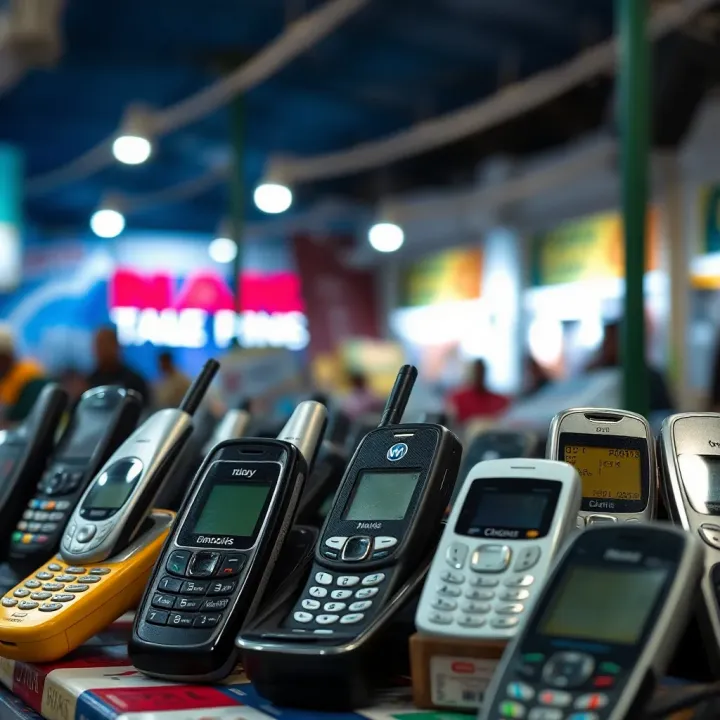
Availability varies. While some shops stock refurbished devices, others sell new old-stock phones from warehouses. Frequent visits to popular markets like Computer Village in Ikeja or Alaba International Market in Lagos can give you a sense of current stocks. However, supply can be irregular, especially during ember months when demand spikes for communication gadgets for festive gifting.
Ensure you inspect the phone thoroughly before purchase:
Battery health: Old N1 phones sometimes come with worn-out batteries that need replacement immediately.
Functionality: Check call quality, buttons, charging port, and SIM tray.
Accessories: Some sellers include chargers and earphones; verify their authenticity.
Negotiation is common in Nigerian markets. Don’t hesitate to ask for a discount or a limited warranty period—even a few days—to test the device.
Many buyers overlook verifying if the phone is blacklisted or locked. Always request for the phone’s IMEI number and cross-check with the networks to avoid buying stolen or blocked devices.
In general, buying used N1 phones in Nigerian shops can be a practical choice if you prefer simple phones, especially for kids or as backup devices. By staying alert on pricing, condition, and seller reputation, you avoid surprises and get good value for your money.
Next, we'll look into where exactly to find the best deals and how shop types influence pricing and quality.
The old N1 mobile phone remains a popular choice in Nigeria, especially for buyers who want something budget-friendly yet reliable. Understanding this device’s place in the market helps you make informed decisions, whether you’re buying for personal use, resale, or data-based analysis. This overview covers what makes the N1 model distinct and why second-hand phones like it still matter in Nigeria’s mobile ecosystem.
The N1 is known for its solid build and straightforward design, making it attractive for everyday use without complicated tech hurdles. One key feature is its long-lasting battery, which is a must-have considering Nigeria's frequent power outages. The phone often comes with dual SIM capability, handy for users who juggle between work and personal lines or want to take advantage of different network plans.
Another notable aspect is its basic camera and modest display, suitable for photo snaps and video calls without breaking the bank. The software is simple, usually running on Android Go editions or similar lightweight systems, which means it runs smoothly on limited hardware resources. These traits make it a dependable choice for non-intensive smartphone users, such as market traders, students, and professionals who rely more on voice calls and WhatsApp chats.
Second-hand devices fill a vital gap in the Nigerian mobile market by offering affordability where new smartphones are beyond reach for many. Phones like the N1 circulate widely in markets from Oshodi in Lagos to computer village in Ikeja, serving as entry points to digital connectivity for millions.
Furthermore, the second-hand phone trade sustains an informal economy involving local shops, repair technicians, and resellers. This ecosystem provides jobs and stimulates business activity, especially during ember months when demand spikes for affordable mobile handsets. Also, some buyers prefer used devices as back-ups or secondary phones due to cost considerations or network variability.
The second-hand N1 phone isn’t just a device; it’s a lifeline connecting many Nigerians to essential communication and opportunity.
Knowing these dynamics helps you navigate options better, especially if evaluating the value or risks involved with purchasing an old N1 phone from Nigerian shops. Understanding its features and market role prepares you to negotiate wisely and assess when the phone’s fit for your specific needs.
Finding old N1 mobile phones in Nigerian shops is a practical challenge that requires knowing where to look and how to spot reliable sellers. Whether you’re after a specific model for personal use or resale, understanding the typical buying spots saves you time and protects your naira.
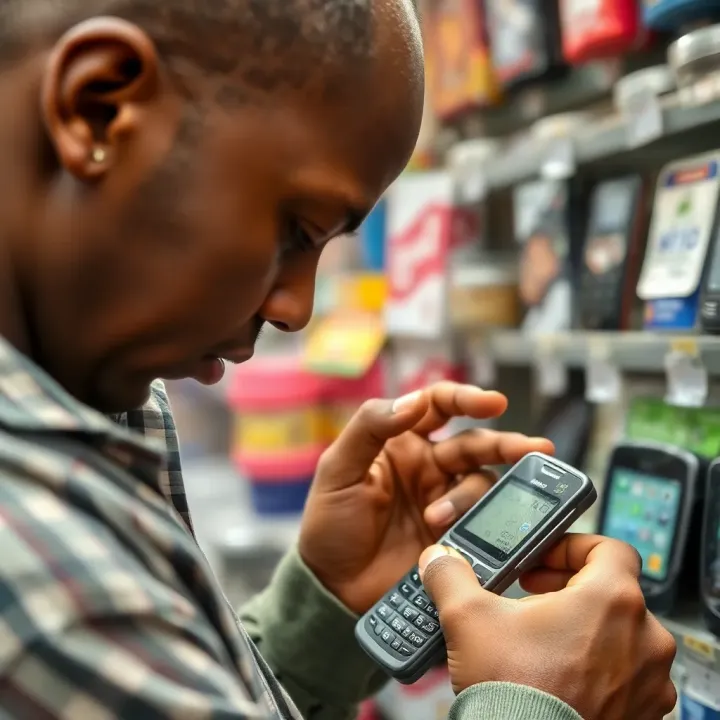
In Nigeria, physical markets remain vital hubs for sourcing second-hand mobile phones, including old N1 models. Lagos’ Ladipo Market and the Ajao Estate Mobile Market are well-known hotspots where traders sell a variety of used phones. These places offer direct bargains and the chance to inspect devices closely before purchase.
Aside from markets, some retail outlets specialize in refurbished phones with warranty options, particularly in cities like Abuja and Port Harcourt. Shops inside popular malls, like the Palms Shopping Mall in Lagos, often stock older phone models for customers who prefer guaranteed returns. However, prices here tend to be steeper due to overhead costs.
Visiting these physical spots allows buyers to negotiate on price, test phone functions, and avoid scams common with unseen online purchases. That said, you should always confirm the authenticity and condition of the phone.
Online shopping platforms have increasingly become popular for buying old N1 mobiles, especially for those outside major cities. Marketplaces like Jumia Nigeria and Konga offer used phones listed by individual sellers and certified refurbishers. These platforms provide buyer reviews, return policies, and sometimes delivery, which helps if you cannot visit a market physically.
Besides marketplaces, dedicated classified ad platforms such as OLX Nigeria and Jiji.ng serve as go-to sites for second-hand phones. Here, you can filter by price, condition, and location but beware of fake listings and always request clear pictures or demo videos before committing.
Social media groups on Facebook and WhatsApp also play a role in connecting buyers to sellers of old N1 phones. These groups are useful for quick deals, but they require careful vetting of sellers.
When searching online, weigh factors like seller ratings, payment security, and after-sale support to avoid losing money on substandard units.
Knowing where to find old N1 models narrows the field and makes the search more efficient. Combine visits to physical markets with cautious online browsing to maximise your chances of spotting good phones at fair prices.
Understanding the pricing and value of old N1 mobile phones is vital for anyone considering a purchase in Nigerian shops. These phones are often sought after for their affordability and basic functionality, but prices can fluctuate sharply depending on several local factors. Knowing what influences these costs and how to assess fair value helps buyers avoid overpaying and ensures they get a device that meets their needs.
One major factor affecting price is the phone’s physical condition. For example, an N1 mobile with a scratched screen or faulty buttons will fetch less than a well-maintained unit. Battery health also plays a key role since replacement batteries can be both costly and sometimes hard to find. Sellers often adjust prices based on the phone’s age—tokens of wear like faded paint or sluggish performance usually pull the price down.
Supply and demand dynamics in Nigerian markets influence pricing as well. In busy commercial hubs like Lagos or Abuja, where more sellers compete, prices might be more reasonable. However, in smaller towns with fewer options, sellers can charge a premium. The source of the phone matters too; devices branded as "tokunbo" (used but imported) may attract different prices compared to locally used phones, depending on perceived authenticity and warranty.
Before buying, check prices across multiple outlets—both physical shops and online platforms like Jiji or OLX Nigeria. This comparison gives a clearer picture of the prevailing market rates. Inspect the phone closely for scratches, battery life, and software issues. Remember, a very cheap price might signal hidden problems.
Negotiate firmly but fairly; sellers expect some haggling especially in markets like Computer Village or Balogun Market in Lagos. Ask for guarantees or short-term warranties if available, even if informal. Also consider the availability of spare parts locally, which affects the phone’s usability and long-term cost.
Tip: Carry a charged power bank or ensure there is access to charging when testing phones in shops, as some may have weak batteries that die quickly.
To sum, understanding the local market nuances and examining the phone yourself can save you money and frustration. When you combine good market knowledge with careful inspection, you’re better placed to secure a fair deal on an old N1 mobile phone that serves you well.
Buying an old N1 mobile phone in Nigerian shops calls for careful attention to quality and authenticity. This is critical because the second-hand market is flooded with devices that may look fine on the outside but hide problems inside. Ensuring the phone is in good condition protects your investment and helps avoid future headaches.
Old N1 mobiles often come with issues like battery degradation, unresponsive touchscreens, or software glitches. Battery life drops quickly in many of these phones, sometimes leaving users stuck without charge halfway through the day. There’s also the risk of faulty charging ports, which frequently occur due to rough handling or lower-quality components in replacements.
Another common problem is screen damage — even minor scratches or dead pixels can affect usability. Sometimes, sellers replace original parts with substandard knockoffs to cut costs, which affects the phone’s overall performance and durability.
You might also find phones with software that has been tampered with or rooted, exposing you to security risks. For example, buyers have often picked up phones with certain apps removed or settings altered, which affects the user experience and security.
Start by physically inspecting the phone; check for cracks, dents, or signs of repair. A phone with a perfectly smooth surface but uneven colour may suggest swapped parts. Test all buttons, the touchscreen's responsiveness, and cameras thoroughly.
Use the phone’s IMEI (International Mobile Equipment Identity) number to verify its authenticity through databases like the Nigerian Communications Commission (NCC). This helps confirm the device isn’t stolen or blacklisted. Dial *#06# on the phone to retrieve the IMEI and cross-check it with the box and receipts.
Check the battery health by running the phone to observe how long it holds charge. In some cases, Nigerian technicians apply software tools that assess battery cycles and overall status; try this especially when buying from a shop that offers such a service.
Finally, verify the software version and look out for irregularities indicating tampering. Stock firmware is usually more stable, so if the phone runs a customised or unfamiliar version, ask for an explanation or consider a different device.
Always remember, asking questions to the seller about the phone’s history or previous repairs can flag potential issues early. In Nigeria's busy markets, buyers who come prepared with these checks stand a better chance of getting a quality old N1 mobile at a fair price.
These steps safeguard against common pitfalls and help you confidently navigate the vibrant but tricky market for old N1 mobile phones across Nigerian shops.
Buying an old N1 mobile phone in Nigerian shops requires careful consideration to avoid losses and regrets. These phones often come with varying conditions, so having proper advice helps you spot good deals, negotiate well, and know when to walk away. Understanding factors like pricing, warranty, and available alternatives will guide you to make a smart purchase.
Negotiating is a key skill when buying old N1 phones. Most sellers expect some haggling, especially in bustling markets like Computer Village in Lagos or Oshodi. Start by researching typical prices online and offline so you know the phone’s worth. For example, if an old N1 phone is listed for ₦12,000, you might begin offering ₦9,000.
Don’t hesitate to point out any visible defects such as a scratched screen or worn-out battery to justify a lower price. Sellers often give better deals when you pay in cash or buy multiple items. If a seller is reluctant to budge, politely walk away; sometimes, they call you back with a better offer. Careful negotiation can save you hundreds or even thousands of naira.
Most old N1 phones sold in Nigerian shops come without official warranty, making after-sale service crucial. Before buying, ask if the seller offers any short-term warranty or repair service. Some shops provide 7-day or 14-day warranty covering basic faults like software issues or keypad problems.
Check if the seller has a service centre or partner technicians, so you can get repairs without extra hassle. Avoid shops that refuse to give any commitment on after-sales support. Also, consider if you have reliable repair shops nearby for DIY fixes or servicing. Buying from known retailers with reputation helps reduce risk.
When a seller promises no warranty or service, budget extra for possible repairs or buy a phone in better condition even if it costs more upfront.
If the old N1 phone doesn’t fully meet your needs, consider alternatives. Other feature phones like the Tecno T901 or Itel it2150 offer similar durability and battery life but may be newer and easier to service. Brands like Nokia also offer rugged models popular in Nigeria with better network support.
For basic smartphone needs without breaking the bank, entry-level Android phones from brands such as Tecno, Infinix or Lava might be costlier but provide internet access and modern apps. Sometimes spending a bit more saves frustration down the line, especially if you need features like WhatsApp or reliable camera.
Choosing the right device means balancing cost, usability, and durability according to your lifestyle. Old N1 phones still serve well for calls and texts, but looking around for alternatives ensures you get the best value for your naira.
📱 Get the facts on the Old Mobile N1 Lite—affordable, sturdy, and common for calls and texts around Lagos danfo or mama put. Learn if it fits your ₦5k budget and daily needs.
Discover why N1 Mobile is the best choice for Nigerians 🇳🇬, offering affordable mobile and internet services, reliable connectivity, and top customer experience 🔥.

Learn how N1 wagering rules on Nigerian betting sites affect your ₦stakes 🎲. Get practical tips to clear conditions, boost winnings, and play smart! 💡

🎲 Understand N1 Self Exclusion in Nigerian gambling—how it helps control betting habits, its benefits, application steps, and what players and operators should know. 👌
Based on 15 reviews